
Why Seeking a Second Opinion for Spinal Surgery is Crucial for Your Health
When facing spinal surgery, the decision can feel overwhelming. Whether you’re dealing with chronic back pain, a herniated disc, or scoliosis, surgery often seems like the last resort. However, before committing to spinal surgery, it’s essential to ask yourself: Should I seek a second opinion for spinal surgery? A second opinion is an important step that can provide clarity, confirm your diagnosis, and potentially offer alternative treatment options. It ensures that you’re making the best possible decision for your health, based on the most accurate and up-to-date medical advice available.
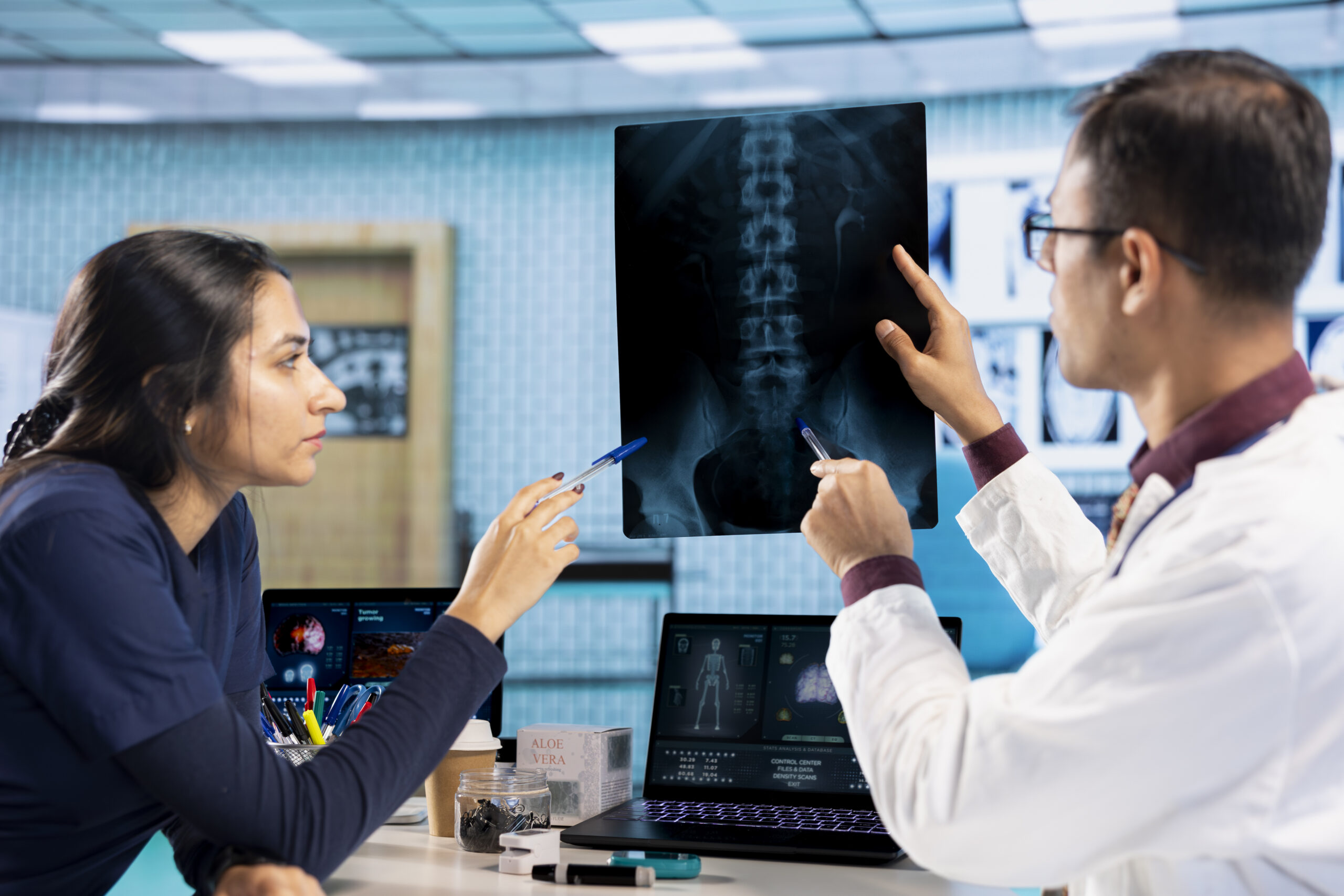
Why Seeking a Second Opinion for Spinal Surgery Matters
Spinal surgery is complex and carries both risks and rewards. With various procedures—ranging from discectomy to spinal fusion, each with its own recovery timeline and potential complications, it is critical to explore all options before making a decision. A second opinion for spinal surgery can offer several benefits:
- Confirm the Diagnosis – A second opinion helps ensure that the diagnosis is correct, particularly in complex spinal conditions where symptoms may overlap with other health issues.
- Alternative Treatment Options – A second specialist might recommend less invasive treatments or newer techniques that weren’t initially considered, reducing risks and recovery time.
- Avoid Unnecessary Surgery – Sometimes, a second opinion may reveal that surgery isn’t necessary and that non-surgical options like physical therapy, medications, or injections could offer significant relief.
Ultimately, seeking a second opinion can lead to more confidence in your decision and ensure that you’re making the best choice for your spine health.
Common Conditions Where You Should Seek a Second Opinion for Spinal Surgery
There are several common spinal conditions where seeking a second opinion for spinal surgery can be particularly beneficial. These include:
- Back Pain – If you’re facing surgery for chronic back pain, a second opinion can provide reassurance and explore non-invasive options.
- Foot Pain Due to Spine Problems – Spine-related issues can sometimes cause foot pain. A second opinion may identify the root cause and suggest alternative treatments.
- Neck Pain – If neck pain is debilitating and surgery is recommended, a second opinion can help verify whether surgery is the best path or if there are other options to consider.
- Scoliosis – Spinal curvature issues, particularly scoliosis, often have multiple treatment approaches. A second opinion can help assess the necessity of surgery and suggest the most appropriate approach.
- Spinal Arthritis – Patients suffering from spinal arthritis may be offered surgical options, but a second opinion can help evaluate if surgery is truly needed.
- Spinal Cord Compression – In cases where spinal cord compression is present, a second opinion can confirm the best course of action, especially when surgery is recommended.
- Spondylosis & Spondylolisthesis – These conditions, involving the degeneration or shifting of vertebrae, may require surgery, but alternative methods may also provide relief.
By consulting a second specialist, you ensure you’re not overlooking any possible treatments and that the surgical approach is the right one for you.
How to Request a Second Opinion for Spinal Surgery
If you’re considering a second opinion for spinal surgery, the process can feel daunting. However, it’s a common and accepted practice in the medical field. Most doctors are supportive of their patients seeking additional perspectives. To ensure the process is smooth, it’s important to be honest and transparent with your primary doctor. Express your desire to explore all your options before proceeding with surgery. Request your medical records, including test results and imaging studies, so that the new specialist has all the necessary information to provide a comprehensive assessment. When you meet with the second opinion provider, be prepared to share your symptoms, medical history, and any concerns you have about the recommended treatment.
What to Expect from the Second Opinion Consultation
During the second opinion consultation, expect a thorough review of your medical history, diagnostic tests, and symptoms. The specialist will likely perform a physical examination and may order additional tests if necessary. This consultation also gives you the chance to ask questions about the diagnosis, the proposed treatment options, and alternative treatments that might not have been discussed previously. The specialist will explain the rationale behind their treatment recommendations, and this discussion will help you better understand the potential risks and benefits of surgery and explore non-surgical options that may be suitable for your condition.
Making the Final Decision: Weighing Your Options
After receiving a second opinion, you’ll be in a better position to make an informed decision. For some, the second opinion might confirm the need for surgery. For others, it might suggest less invasive options, or even a non-surgical path to recovery. It’s essential to consider all the options carefully. If surgery is recommended, ensure that you understand the specific procedure, its recovery time, and the potential risks involved. If non-surgical treatments are proposed, weigh their potential benefits, side effects, and long-term effectiveness. Discuss your findings with your primary doctor to ensure you’re both aligned on the best path forward.

Conclusion: Your Health, Your Decision
Making an informed decision about spinal surgery is one of the most important health decisions you’ll make. By seeking a second opinion for spinal surgery, you’re taking a proactive approach to ensure that all possible treatment options have been considered. This extra step can lead to a more confident, well-informed decision that will positively impact your recovery and overall health. Whether you’re dealing with back pain, neck pain, or a more complex spinal condition, a second opinion is crucial for your peace of mind and your future well-being.
Remember, surgery is a major decision, and taking the time to get a second opinion can make a significant difference. By consulting multiple specialists and exploring all available options, you’ll be empowered to make the best decision for your spine health, your recovery, and your life.
