
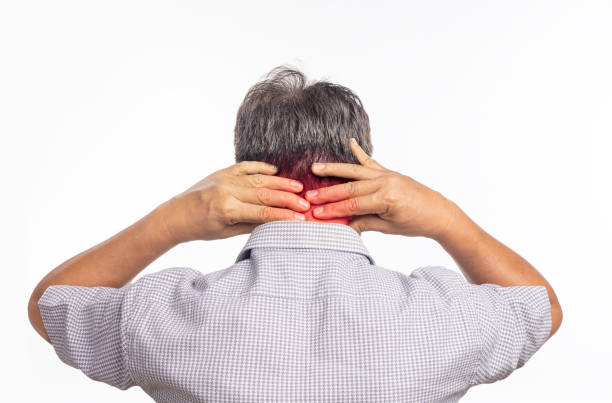
Neck Pain 2 Years After Cervical Fusion: Understanding Causes and Finding Solutions
Experiencing neck pain 2 years after cervical fusion can be frustrating and concerning for patients who underwent surgery expecting permanent relief. While cervical fusion successfully resolves symptoms for many patients, some individuals develop persistent or new neck pain years after their procedure. Research indicates that 10 to 30 percent of patients develop recurrent or new symptoms following cervical fusion surgery. If you are experiencing neck pain 2 years after cervical fusion, understanding the causes and seeking evaluation from the best spine surgeon in Los Angeles ensures you receive appropriate diagnosis and treatment to restore quality of life.
Why Does Neck Pain Occur 2 Years After Cervical Fusion?
Cervical fusion permanently joins two or more vertebrae in the neck to treat conditions like herniated discs, spinal stenosis, or instability. While the surgery successfully eliminates motion at the fused segment, it fundamentally alters cervical spine biomechanics by transferring increased stress to adjacent spinal levels. Most patients achieve maximum improvement within one year post-operatively, making neck pain 2 years after cervical fusion a significant concern that warrants thorough evaluation.
Understanding the expected recovery timeline helps distinguish normal healing from problematic symptoms. Initial surgical recovery typically requires 6 to 12 weeks, solid fusion develops over 3 to 6 months, and maximum improvement usually occurs by one year. Therefore, new or worsening neck pain 2 years after cervical fusion suggests a developing problem requiring expert assessment from the best spine surgeon in Los Angeles.
Common Causes of Neck Pain 2 Years After Cervical Fusion
Adjacent Segment Disease
Adjacent segment disease represents the most common cause of neck pain 2 years after cervical fusion, affecting approximately 25 to 30 percent of patients within 10 years following surgery. By eliminating motion at the fused segment, cervical fusion increases mechanical stress on adjacent levels, which must compensate for lost mobility. Over time, this increased stress accelerates degenerative changes including disc degeneration, facet joint arthritis, and potential stenosis at adjacent segments.
Risk Factors for Adjacent Segment Disease:
- Pre-existing degeneration at adjacent levels
- Multilevel fusion procedures
- Poor sagittal alignment after surgery
- Increased age at time of surgery
- Smoking and other lifestyle factors
Symptoms of Adjacent Segment Disease:
- Gradually worsening neck pain similar to original symptoms
- New arm pain, numbness, or weakness
- Reduced range of motion in the neck
- Pain that worsens with activity
Adjacent segment disease typically manifests gradually rather than suddenly, distinguishing it from acute problems like hardware failure. Treatment ranges from conservative management including physical therapy and injections to surgical intervention if conservative measures fail. The best spine surgeon in Los Angeles can evaluate imaging studies to assess adjacent segment degeneration and recommend appropriate treatment.
Pseudarthrosis or Non-Union
Pseudarthrosis occurs when bone graft fails to achieve solid fusion despite adequate healing time, causing persistent neck pain 2 years after cervical fusion due to continued abnormal motion at the intended fusion site. Non-union rates vary from 5 to 10 percent for single-level anterior cervical fusion to 20 to 30 percent for multilevel procedures or in patients with significant risk factors.
Risk Factors for Pseudarthrosis:
- Smoking (increases non-union risk 2 to 4 times)
- Multilevel fusion procedures
- Posterior surgical approach
- Osteoporosis or poor bone quality
- Obesity and diabetes
- NSAID use during bone healing
- Revision surgery status
Pseudarthrosis typically causes mechanical neck pain that worsens with activity and movement. Patients may experience clicking or catching sensations with certain neck positions. Definitive diagnosis requires imaging including flexion-extension radiographs showing motion at the fusion site or CT scan demonstrating lack of solid bone bridging.
Treatment for symptomatic pseudarthrosis causing neck pain 2 years after cervical fusion typically requires revision fusion surgery. The best spine surgeon in Los Angeles evaluates whether non-union is symptomatic and causing pain, as some patients have asymptomatic pseudarthrosis not requiring intervention. Revision surgery involves removing prior hardware, placing fresh bone graft often with biologics to enhance fusion, and applying new stabilization hardware with success rates ranging from 70 to 90 percent.
Hardware Complications
Hardware complications including screw loosening, plate displacement, or hardware fracture can cause neck pain 2 years after cervical fusion. While hardware problems most commonly manifest within the first year, delayed complications can occur and require evaluation by the best spine surgeon in Los Angeles.
Signs of Hardware Complications:
- New or worsening neck pain
- Mechanical symptoms like clicking or catching
- Prominent hardware felt under the skin
- New neurological symptoms if hardware migrates
- Pain with specific movements or positions
Anterior cervical plates and screws can back out or loosen, particularly if fusion does not progress normally. Posterior instrumentation may loosen in osteoporotic bone. Hardware can also fracture under repetitive loading, though this is less common with modern implant designs.
Diagnosis requires imaging including radiographs to assess hardware position and CT scanning to evaluate hardware integrity. Treatment depends on fusion status. If solid fusion is present, symptomatic hardware can sometimes be removed. If fusion is incomplete, revision surgery with hardware replacement is typically necessary.
Muscle and Soft Tissue Issues
Chronic muscle strain, myofascial pain, and soft tissue dysfunction can contribute to neck pain 2 years after cervical fusion. Cervical fusion alters normal neck biomechanics, potentially leading to compensatory muscle tension as cervical and upper back muscles work differently to support the spine.
Common Musculoskeletal Contributors:
- Chronic muscle strain and tension
- Trigger points in neck and shoulder muscles
- Facet joint pain at non-fused levels
- Poor posture, particularly forward head posture
- Ergonomic issues at work or home
Physical examination by the best spine surgeon in Los Angeles identifies areas of muscle tension, trigger points, and pain patterns. Facet joint pain may be diagnosed through diagnostic injections performed under fluoroscopic guidance.
Treatment for Musculoskeletal Neck Pain:
- Physical therapy focusing on posture and strengthening
- Massage therapy or myofascial release
- Ergonomic modifications
- Facet joint injections for facet-mediated pain
- Radiofrequency ablation for chronic facet pain
Recurrent or New Disc Herniation
Patients can develop new disc herniations at levels above or below the fusion, contributing to neck pain 2 years after cervical fusion. These herniated discs may compress nerves causing radicular symptoms including arm pain, numbness, or weakness in addition to neck pain.
Symptoms of Cervical Disc Herniation:
- Sharp or radiating neck pain
- Arm pain following specific patterns
- Numbness or tingling in arms or hands
- Weakness in particular muscle groups
- Positive Spurling’s test on examination
MRI imaging definitively diagnoses disc herniations and determines the degree of nerve compression. Treatment begins with conservative measures including physical therapy, medications, and epidural steroid injections. If conservative treatment fails, surgical options include anterior cervical discectomy and fusion at the herniated level or artificial disc replacement, depending on specific circumstances.
Diagnosing the Cause of Neck Pain 2 Years After Cervical Fusion
Accurate diagnosis is essential for effective treatment of neck pain 2 years after cervical fusion. The best spine surgeon in Los Angeles conducts comprehensive evaluation including detailed history taking to understand symptom characteristics, timing, aggravating and relieving factors, and functional impact. Physical examination assesses range of motion, neurological function, areas of tenderness, and provocative maneuvers that reproduce symptoms.
Imaging studies are critical for diagnosing the cause of delayed neck pain after fusion. Radiographs including standing lateral views and flexion-extension films evaluate fusion status, hardware position, adjacent segment alignment, and dynamic motion. CT scanning provides detailed assessment of bone fusion, hardware integrity, and bony anatomy. MRI evaluates soft tissue structures including discs, spinal cord, nerve roots, and ligaments at adjacent segments.
Advanced diagnostic procedures may include diagnostic injections to identify pain sources. Facet joint injections can determine if facet arthritis contributes to symptoms. Selective nerve root blocks identify specific nerve roots as pain generators. Discography, though controversial, may be used in select cases to determine if a particular disc is symptomatic.
Electromyography and nerve conduction studies assess nerve function and help localize areas of nerve compression or damage. These studies are particularly useful when patients have arm symptoms suggesting radiculopathy.
Comprehensive evaluation by the best spine surgeon in Los Angeles ensures accurate diagnosis of neck pain 2 years after cervical fusion, which is essential for developing an appropriate treatment plan.
Treatment Options for Neck Pain 2 Years After Cervical Fusion
Conservative Management
Conservative treatment represents the first-line approach for most patients experiencing neck pain 2 years after Conservative Management
Conservative treatment represents the first-line approach for most patients experiencing neck pain 2 years after cervical fusion unless symptoms indicate urgent surgical intervention. Physical therapy focuses on strengthening cervical and scapular musculature, improving posture, and enhancing flexibility in non-fused segments. Therapists teach proper body mechanics and ergonomic principles to reduce stress on the cervical spine.
Medications for neck pain management include over-the-counter analgesics like acetaminophen or NSAIDs, neuropathic pain medications including gabapentin or pregabalin for nerve-related symptoms, muscle relaxants for muscle spasm and tension, and in some cases, short-term use of prescription pain medications for severe pain.
Interventional pain management procedures provide targeted relief for specific pain sources. Epidural steroid injections reduce inflammation around compressed nerve roots. Facet joint injections or radiofrequency ablation treat facet-mediated pain. Trigger point injections address myofascial pain. These procedures performed by experienced pain management specialists can provide significant relief and may obviate the need for additional surgery.
Lifestyle modifications support neck health including maintaining healthy weight to reduce spinal loading, smoking cessation to optimize tissue health and reduce degeneration risk, ergonomic workspace setup, regular exercise within tolerated limits, and stress management as emotional stress increases muscle tension.
Many patients experiencing neck pain 2 years after cervical fusion achieve adequate relief with comprehensive conservative management and do not require revision surgery. The best spine surgeon in Los Angeles helps determine whether conservative treatment is likely to provide sufficient relief or if surgical intervention should be considered.
Revision Surgery
Revision cervical surgery may be necessary for patients whose neck pain 2 years after cervical fusion stems from mechanical problems amenable to surgical correction.
Indications for Revision Surgery:
- Symptomatic pseudarthrosis with confirmed non-union
- Adjacent segment disease causing significant stenosis with neurological symptoms
- Hardware complications requiring removal or replacement
- Recurrent or new disc herniation causing nerve compression
- Refractory pain despite comprehensive conservative treatment
Types of Revision Procedures:
Adjacent Level Fusion: Addresses symptomatic adjacent segment disease by extending fusion to include the degenerated adjacent level, decompressing neural structures and stabilizing the new segment. However, extending fusion increases stress on remaining mobile segments.
Artificial Disc Replacement: Maintains motion at treated adjacent levels rather than extending fusion, potentially reducing stress on remaining cervical segments. Not all patients are candidates, and appropriateness depends on specific circumstances.
Pseudarthrosis Repair: Involves revision fusion with fresh bone graft, often augmented with bone morphogenetic protein to enhance fusion success. Prior hardware is removed, bone surfaces are prepared, and new stabilization hardware is placed with success rates generally ranging from 70 to 90 percent.
Hardware Removal: Performed if fusion is solid but hardware is causing symptoms. Symptomatic hardware prominence or chronic irritation may warrant removal once fusion is mature.
The best spine surgeon in Los Angeles carefully evaluates whether revision surgery is likely to improve symptoms causing neck pain 2 years after cervical fusion. Revision cervical surgery is more complex than primary surgery due to scar tissue, altered anatomy, and sometimes compromised bone quality, making surgeon experience essential for optimizing outcomes.
Why Choose Dr. Moksha Ranasinghe: Best Spine Surgeon in Los Angeles
Dr. Moksha Ranasinghe stands out as one of the best spine surgeons in Los Angeles for patients experiencing neck pain 2 years after cervical fusion. As a board-certified neurosurgeon with fellowship training in complex spine surgery, Dr. Ranasinghe brings exceptional qualifications and expertise to evaluation and treatment of complicated cervical spine conditions.
Dr. Ranasinghe’s Qualifications:
- Board-certified by the American Board of Neurological Surgery
- Fellowship training in complex spine surgery
- Harvard Medical School education
- Training at MIT and Massachusetts General Hospital
- Fellow of the American Association of Neurological Surgeons (FAANS)
- Recognized as Top Doctor from 2019-2023
Expertise in Revision Cervical Surgery: Dr. Ranasinghe has extensive experience managing complex cases including failed cervical fusion, adjacent segment disease, and other causes of persistent symptoms following cervical surgery. Revision cervical surgery demands greater technical skill than primary surgery due to scar tissue, altered anatomy, and often more challenging patient circumstances. Her experience with complex revision cases ensures patients receive expert evaluation and skilled surgical care when intervention is necessary.
Comprehensive Evaluation Approach: Rather than immediately recommending surgery, Dr. Ranasinghe conducts comprehensive assessment to identify the specific cause of neck pain 2 years after cervical fusion and explores all reasonable treatment options. She personally reviews imaging studies, conducts thorough examinations, and discusses conservative treatment options. Patients appreciate her willingness to explain complex medical concepts in understandable terms and her commitment to shared decision-making.
Patient-Centered Philosophy: What truly distinguishes Dr. Ranasinghe as one of the best spine surgeons in Los Angeles is her patient-centered philosophy. She understands that experiencing neck pain 2 years after cervical fusion can be frustrating and concerning. Her commitment to recommending surgery only when truly necessary reflects integrity that patients value. She regularly counsels patients to continue conservative treatment when that approach is most appropriate, demonstrating the honest, ethical care that defines the best spine surgeon in Los Angeles.
When to Seek Evaluation from the Best Spine Surgeon in Los Angeles
Patients experiencing neck pain 2 years after cervical fusion should seek evaluation from the best spine surgeon in Los Angeles under several circumstances:
When to Schedule an Evaluation:
- Pain is severe or progressively worsening
- New neurological symptoms develop (arm weakness, numbness, coordination problems)
- Symptoms significantly impact daily activities or work
- Conservative treatments have not provided adequate relief
- Concerns about fusion status or hardware integrity
- New symptoms different from original pre-operative complaints
Early evaluation for concerning symptoms is important, particularly if neurological symptoms develop. Progressive weakness or spinal cord compression signs require urgent assessment to prevent permanent neurological damage. Even without neurological symptoms, chronic pain significantly impacting quality of life warrants expert evaluation to identify treatable causes.

Second Opinions for Complex Cases
Patients experiencing neck pain 2 years after cervical fusion who have received treatment recommendations should strongly consider obtaining a second opinion before proceeding with major interventions like revision surgery.
Benefits of Second Opinions:
- Confirmation of diagnosis from another expert
- Exposure to alternative treatment approaches
- Assessment of whether recommended surgery is appropriate
- Increased confidence in treatment decisions
- Different surgical perspectives and techniques
Different spine surgeons may have varying perspectives on managing neck pain 2 years after cervical fusion. The best spine surgeon in Los Angeles welcomes second opinions and should never discourage patients from seeking additional perspectives. Dr. Ranasinghe provides comprehensive second opinion consultations for patients facing recommendations for revision cervical surgery, offering thorough evaluation and honest assessment to guide decision-making.
Conclusion
Experiencing neck pain 2 years after cervical fusion can be challenging, but understanding potential causes and available treatment options empowers patients to seek appropriate care and find relief. Whether symptoms stem from adjacent segment disease, pseudarthrosis, hardware complications, soft tissue issues, or other factors, accurate diagnosis is essential for effective treatment.
Conservative management successfully addresses neck pain 2 years after cervical fusion for many patients, while others ultimately require revision surgery to correct mechanical problems. The key is comprehensive evaluation by the best spine surgeon in Los Angeles who possesses expertise in complex cervical conditions and revision surgery.
Dr. Moksha Ranasinghe brings the training, experience, and patient-centered approach that define the best spine surgeon in Los Angeles. Her commitment to accurate diagnosis, conservative treatment when appropriate, skilled surgical intervention when necessary, and honest communication ensures patients receive excellent care for neck pain 2 years after cervical fusion.
If you are experiencing persistent or new neck pain following cervical fusion, seek evaluation from an expert who can identify the cause of your symptoms and discuss appropriate treatment options. With proper diagnosis and treatment from the best spine surgeon in Los Angeles, many patients achieve significant improvement and return to better quality of life even when symptoms have persisted for years after their original surgery.
