
Understanding Lumbar Spinal Disorders: Expert Guidance from a Top Spine Surgeon in Los Angeles
Lumbar spinal disorders can disrupt daily life, causing pain and discomfort that affects your ability to work, exercise, and enjoy activities. Understanding their symptoms is the first step toward effective solutions and recovery. At Southern California Brain and Spine Surgery, Dr. Moksha Ranasinghe, recognized as a top spine surgeon in Los Angeles, specializes in diagnosing and treating the full spectrum of lumbar spinal disorders.
Anatomy of the Lumbar Spine
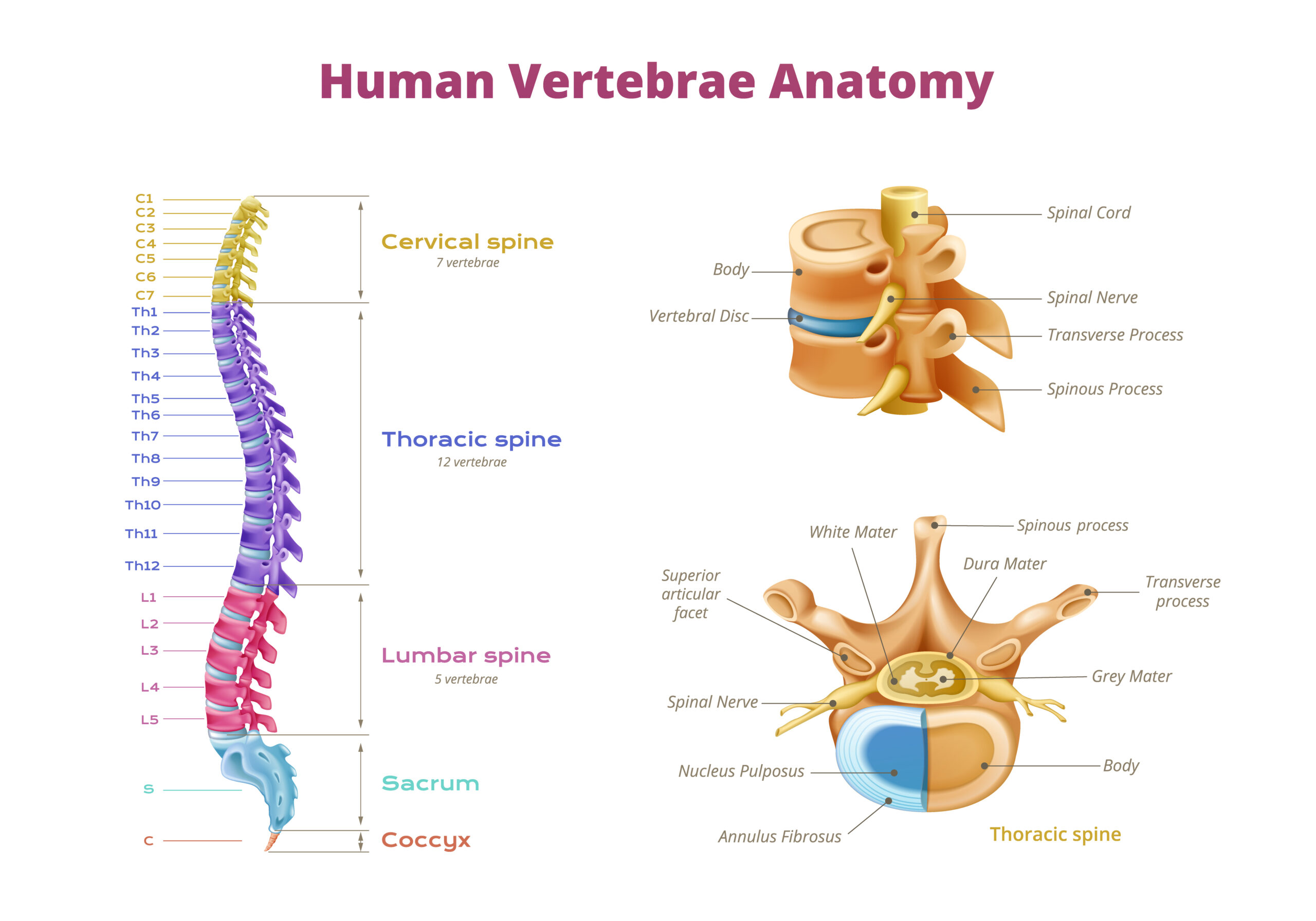
The lumbar spine, located in the lower back, plays a crucial role in supporting the upper body’s weight and allowing for a range of movements such as bending and twisting. This region consists of five vertebrae, labeled L1 through L5, which are the largest and most robust vertebrae in the spinal column due to their load-bearing function. These vertebrae are separated by intervertebral discs that act as cushions, absorbing shock and providing flexibility to the spine. Each disc has a tough outer layer called the annulus fibrosus and a soft, gel-like center known as the nucleus pulposus.
In addition to the vertebrae and discs, the lumbar spine also includes several important structures such as ligaments, tendons, muscles, and nerves. Ligaments are strong, fibrous tissues that connect the vertebrae to one another, providing stability to the spine. Muscles and tendons support and move the spine, while the spinal cord and nerve roots transmit signals between the brain and the lower body. The nerves exit the spinal cord through small openings between the vertebrae called foramina, enabling sensation and movement in the legs and feet.
Understanding the anatomy of the lumbar spine is essential for recognizing the potential issues that can arise in this area. Any disruption to the normal function of these structures can lead to lumbar spinal disorders, which may manifest as pain, stiffness, or neurological symptoms. A top spine surgeon in Los Angeles uses detailed knowledge of this anatomy to accurately diagnose and treat these conditions.
Common Lumbar Spinal Disorders
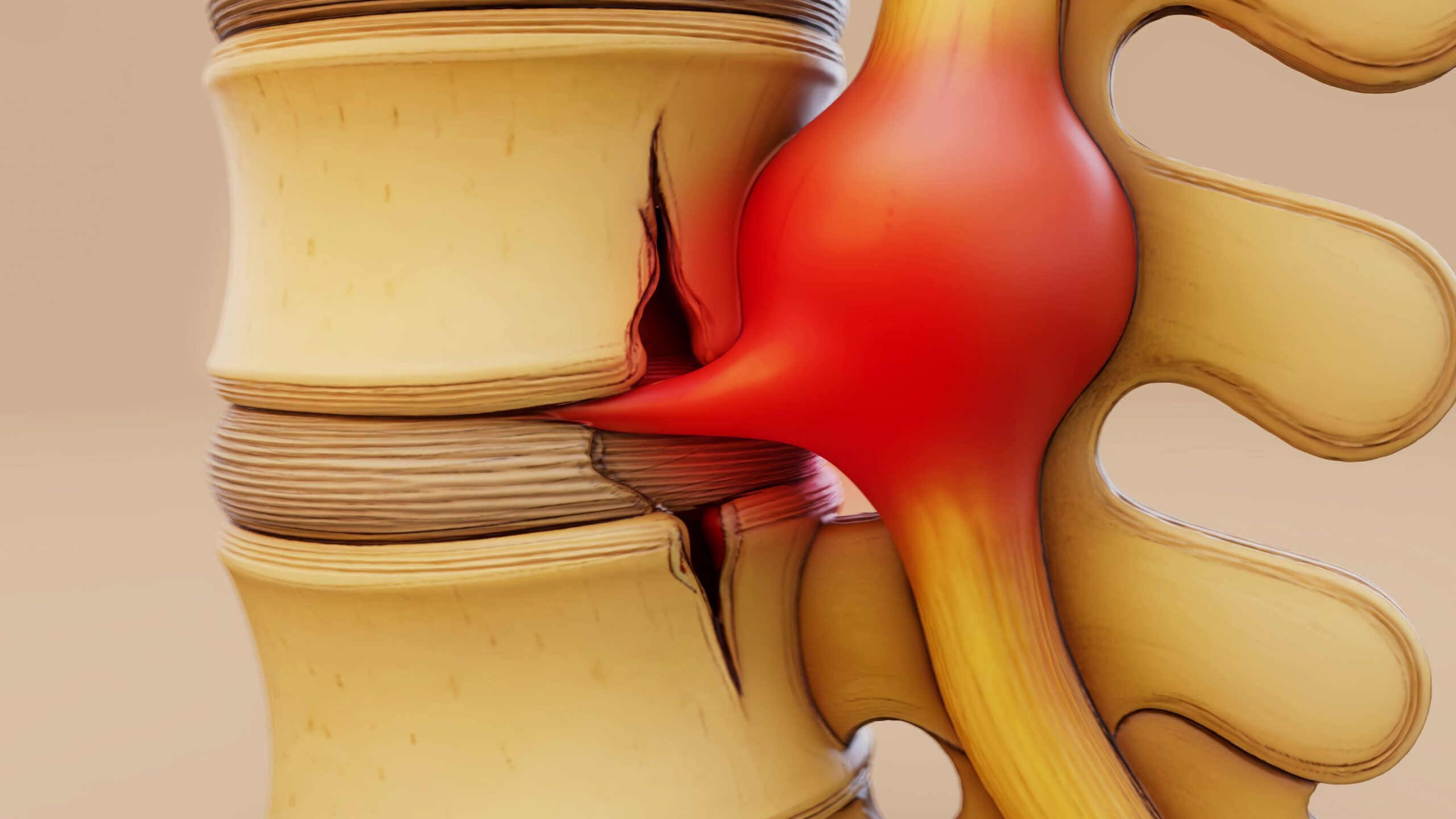
There are several common lumbar spinal disorders that can affect individuals of all ages. One of the most prevalent conditions is herniated discs, also known as slipped or ruptured discs. This occurs when the nucleus pulposus pushes through a tear in the annulus fibrosus, potentially compressing nearby nerve roots and causing pain, numbness, or weakness in the lower back and legs. Herniated discs can result from acute injury or degenerative changes in the spine.
Another common lumbar spinal disorder is spinal stenosis, a condition characterized by the narrowing of the spinal canal or foramina, which can put pressure on the spinal cord and nerve roots. This narrowing is often due to age-related changes such as the thickening of ligaments, the formation of bone spurs, or the degeneration of intervertebral discs. Symptoms of spinal stenosis may include pain, cramping, or weakness in the legs, especially during activities like walking or standing.
Degenerative disc disease is another condition that affects the lumbar spine. As we age, the intervertebral discs can lose hydration and elasticity, leading to the breakdown of the annulus fibrosus and the collapse of disc height. This degeneration can cause pain, instability, and reduced range of motion in the lower back. Additionally, degenerative disc disease can contribute to the development of other lumbar spinal disorders such as herniated discs or spinal stenosis.
Other Lumbar Conditions That Often Occur Together
Lumbar spinal disorders rarely exist in isolation. Several related conditions frequently develop alongside or contribute to lower back problems:
• Chronic back pain often signals underlying structural changes in the lumbar spine, including disc degeneration, facet joint arthritis, or early stenosis developing over time.
• Spondylosis and spondylolisthesis represent degenerative changes and vertebral slippage that commonly occur at the L4-L5 or L5-S1 levels, producing symptoms similar to spinal stenosis.
• Spinal arthritis in the facet joints creates inflammation and bone spur formation that can narrow the spinal canal and compress nerve roots as the condition progresses.
• Foot pain and numbness frequently originate from lumbar nerve compression rather than foot problems, particularly when L5 or S1 nerve roots are affected by lumbar spinal disorders.
Understanding these interconnections helps explain why comprehensive evaluation by a top spine surgeon in Los Angeles is important for accurate diagnosis and effective treatment planning.
Recognizing Symptoms of Lumbar Spinal Disorders
The symptoms of lumbar spinal disorders can vary widely depending on the specific condition and the structures involved. One of the most common symptoms is lower back pain, which can range from a dull ache to sharp, stabbing sensations. This pain may be localized to the lower back or radiate to the buttocks, hips, or legs, often following the path of the affected nerve roots. In cases of herniated discs or spinal stenosis, individuals may experience sciatica, a condition characterized by shooting pain that travels down the leg.
In addition to pain, lumbar spinal disorders can cause neurological symptoms such as numbness, tingling, or weakness in the lower extremities. These symptoms occur when nerve roots are compressed or irritated, interfering with the normal transmission of signals between the brain and the legs. For example, individuals with spinal stenosis may experience leg cramping or weakness, particularly during physical activities like walking or standing for extended periods.
Another symptom of lumbar spinal disorders is reduced mobility or stiffness in the lower back. This can make it difficult to perform everyday activities such as bending, lifting, or twisting. In severe cases, individuals may develop a condition called cauda equina syndrome, which involves the compression of the nerve roots at the base of the spinal cord. This medical emergency can cause severe back pain, loss of bladder or bowel control, and numbness in the groin or inner thighs, requiring immediate medical attention.
If you’re experiencing any of these symptoms, schedule a consultation with a top spine surgeon in Los Angeles for proper evaluation and diagnosis.
What Causes Lumbar Spinal Disorders?
Several risk factors and causes can contribute to the development of lumbar spinal disorders. Aging is one of the primary risk factors, as the spine undergoes degenerative changes over time. These changes can include the wearing down of intervertebral discs, the thickening of ligaments, and the formation of bone spurs, all of which can contribute to conditions like spinal stenosis or degenerative disc disease. Genetics also play a role, as individuals with a family history of spinal disorders may be more susceptible to developing similar conditions.
Lifestyle factors can also increase the risk of lumbar spinal disorders. Poor posture, prolonged sitting, and a sedentary lifestyle can place additional stress on the lower back, leading to muscle imbalances and increased wear and tear on the spine. Conversely, engaging in activities that involve repetitive bending, lifting, or twisting can also contribute to spinal disorders by causing acute injuries or chronic strain on the lumbar region.
Obesity is another significant risk factor, as excess body weight can place additional pressure on the spine, accelerating degenerative changes and increasing the likelihood of conditions like herniated discs or spinal stenosis. Smoking is also detrimental to spinal health, as it can reduce blood flow to the intervertebral discs, impairing their ability to repair and maintain themselves. Additionally, certain medical conditions such as osteoporosis, arthritis, or scoliosis can predispose individuals to lumbar spinal disorders.
A top spine surgeon in Los Angeles evaluates all these factors when developing your personalized treatment plan.
How Lumbar Spinal Disorders Are Diagnosed
Diagnosing lumbar spinal disorders typically involves a combination of clinical evaluation, imaging studies, and diagnostic tests. The process often begins with a thorough medical history and physical examination, during which the healthcare provider will assess the patient’s symptoms, medical history, and risk factors. The physical examination may include tests to evaluate the range of motion, strength, reflexes, and sensation in the lower back and legs.
Imaging studies are critical for providing detailed information about the structures of the lumbar spine. X-rays can reveal bone abnormalities such as fractures, bone spurs, or degenerative changes in the vertebrae. Magnetic resonance imaging (MRI) is particularly useful for visualizing soft tissues, including intervertebral discs, ligaments, and nerve roots. MRI can help identify conditions such as herniated discs, spinal stenosis, or degenerative disc disease. Computed tomography (CT) scans can provide cross-sectional images of the spine, offering detailed views of both bone and soft tissue structures.
In some cases, additional diagnostic tests may be necessary to pinpoint the source of the symptoms. For example, electromyography (EMG) and nerve conduction studies can assess the function of the nerves and muscles in the lower extremities, helping to identify nerve compression or damage. Myelography involves injecting a contrast dye into the spinal canal to enhance the visibility of the spinal cord and nerve roots on X-rays or CT scans. These tests can provide valuable information for accurate diagnosis and treatment planning.
At Southern California Brain and Spine Surgery, Dr. Ranasinghe uses state-of-the-art diagnostic technology available at leading Los Angeles hospitals to ensure accurate diagnosis of lumbar spinal disorders.
Non-Surgical Treatment Options
Non-surgical treatment options for lumbar spinal disorders can effectively manage symptoms and improve the quality of life for many individuals. One of the most common approaches is physical therapy, which involves exercises and techniques designed to strengthen the muscles supporting the spine, improve flexibility, and reduce pain. A physical therapist can develop a customized exercise program tailored to the individual’s specific condition and needs, incorporating activities such as stretching, strengthening exercises, and aerobic conditioning.
Medications are another cornerstone of non-surgical treatment, providing relief from pain and inflammation. Over-the-counter pain relievers such as acetaminophen or nonsteroidal anti-inflammatory drugs (NSAIDs) like ibuprofen can be effective for mild to moderate pain. For more severe pain, prescription medications such as muscle relaxants, opioids, or corticosteroids may be necessary. These medications should be used under the guidance of a healthcare provider to minimize the risk of side effects or dependency.
In addition to physical therapy and medications, other non-surgical treatments can help manage lumbar spinal disorders. Chiropractic care involves manual manipulation of the spine to improve alignment, reduce pain, and enhance function. Acupuncture, a traditional Chinese medicine technique, uses thin needles inserted into specific points on the body to alleviate pain and promote healing. Epidural steroid injections can provide targeted relief by delivering anti-inflammatory medication directly to the affected area of the spine, reducing swelling and pressure on the nerves.
As a top spine surgeon in Los Angeles, Dr. Ranasinghe emphasizes conservative treatment first, only recommending surgery when non-surgical options prove insufficient.
When Surgery Becomes Necessary
In cases where non-surgical treatments are ineffective or the condition is severe, surgical intervention may be necessary to address lumbar spinal disorders. One common surgical procedure is a discectomy, which involves removing the herniated portion of a disc that is pressing on a nerve root. This procedure can provide significant relief from pain and neurological symptoms associated with herniated discs. In some cases, a microdiscectomy, a minimally invasive version of the procedure, may be performed using smaller incisions and specialized instruments.
Another surgical option is spinal fusion, which involves joining two or more vertebrae together to stabilize the spine and reduce pain from degenerative disc disease or spinal instability. During the procedure, a bone graft or artificial material is placed between the affected vertebrae, and metal screws or rods may be used to hold them in place while the bones fuse together. This procedure can limit motion in the affected segment of the spine but can provide significant pain relief and improved stability.
For individuals with spinal stenosis, a laminectomy may be performed to relieve pressure on the spinal cord and nerve roots. This procedure involves removing a portion of the lamina, the bony arch of the vertebra, to create more space within the spinal canal. In some cases, a laminotomy, a less extensive procedure that removes only a portion of the lamina, may be sufficient. Both procedures can alleviate symptoms such as leg pain, weakness, and numbness, improving the individual’s ability to engage in daily activities. A top spine surgeon in Los Angeles like Dr. Ranasinghe uses both traditional and minimally invasive surgical techniques to achieve optimal outcomes with faster recovery times.
Preventing Lumbar Spinal Disorders
Preventing lumbar spinal disorders and maintaining spinal health involves adopting healthy lifestyle habits and making proactive choices. One of the most important preventive measures is maintaining a healthy weight, as excess body weight can place additional stress on the spine and accelerate degenerative changes. Regular physical activity, including exercises that strengthen the core muscles and improve flexibility, can help support the spine and reduce the risk of injury.
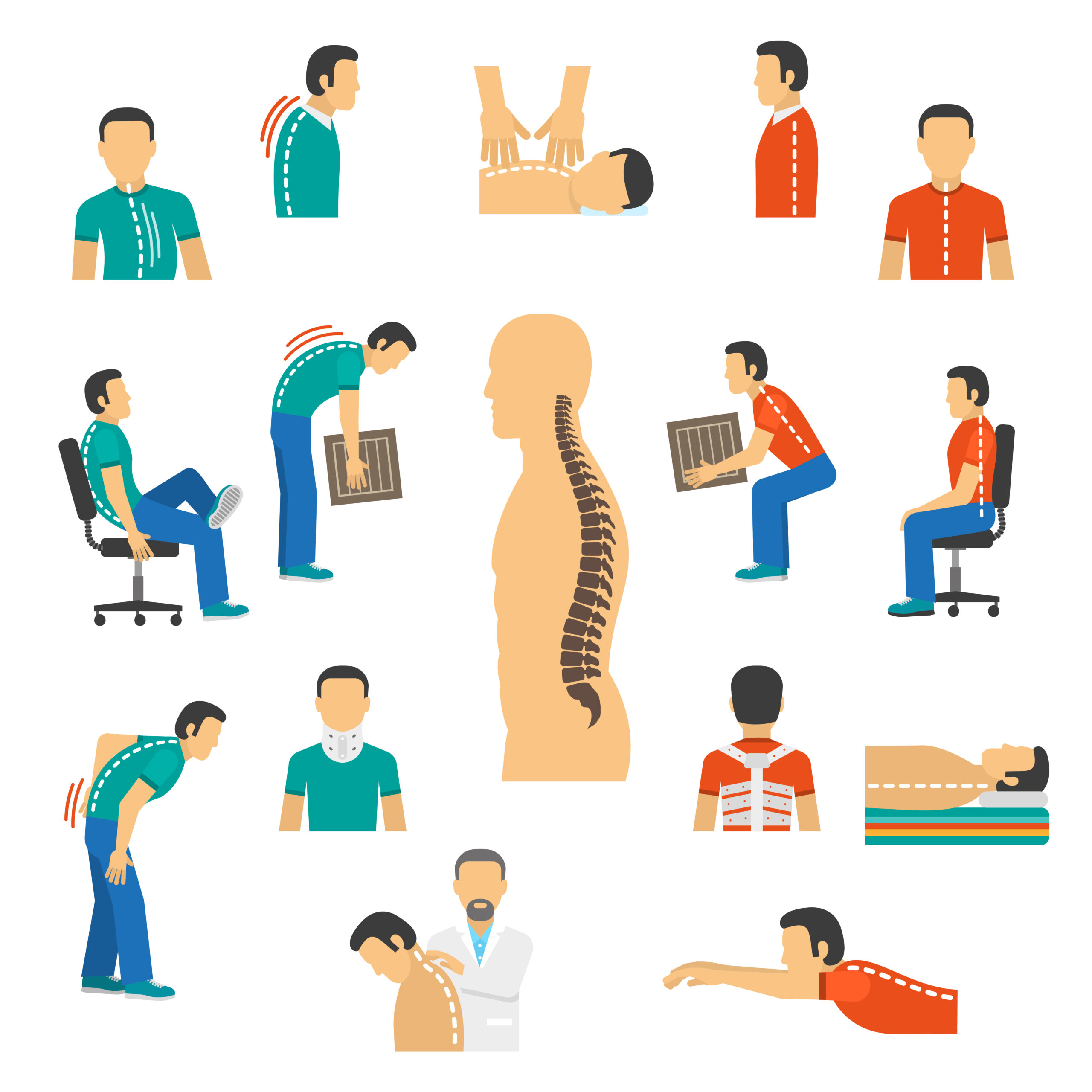
Proper posture is also essential for preventing lumbar spinal disorders. When sitting, it is important to use a chair with good lumbar support and to keep the feet flat on the floor. Avoiding prolonged sitting and taking regular breaks to stand and stretch can help reduce strain on the lower back. When lifting objects, it is crucial to use proper techniques, such as bending at the knees and keeping the back straight, to avoid placing excessive stress on the spine.
In addition to these measures, quitting smoking can have a positive impact on spinal health. Smoking reduces blood flow to the intervertebral discs, impairing their ability to repair and maintain themselves. By quitting smoking, individuals can improve the health of their spine and reduce the risk of developing lumbar spinal disorders. Additionally, staying hydrated and consuming a balanced diet rich in essential nutrients such as calcium, vitamin D, and omega-3 fatty acids can support overall spinal health and reduce the risk of degenerative changes.
Why Choose a Top Spine Surgeon in Los Angeles
When facing lumbar spinal disorders, choosing the right surgeon is critical for achieving optimal outcomes. Dr. Moksha Ranasinghe, recognized as a top spine surgeon in Los Angeles, brings over 20 years of experience in treating complex lumbar conditions. Her credentials include:
- Board certification by the American Board of Neurological Surgery
- Fellowship training in complex spine surgery
- Hospital affiliations at Good Samaritan Hospital and Hollywood Presbyterian Medical Center
- Expertise in both conservative and surgical management of lumbar spinal disorders
- Conservative-first treatment philosophy
- Minimally invasive surgical techniques when surgery is necessary
Dr. Ranasinghe takes time to thoroughly evaluate each patient, explain all treatment options, and develop personalized care plans that address the specific type and severity of lumbar spinal disorders affecting each individual.
Schedule Your Consultation
If you’re experiencing symptoms of lumbar spinal disorders including lower back pain, leg pain, numbness, weakness, or difficulty with daily activities, schedule a consultation with Dr. Ranasinghe at Southern California Brain and Spine Surgery.As a top spine surgeon in Los Angeles, Dr. Ranasinghe provides expert evaluation and comprehensive treatment for all types of lumbar spinal disorders, from herniated discs to spinal stenosis and degenerative conditions. Call (213) 369-4583, Monday through Friday, 9am to 5pm, or visit socalbrainspine.com to request an appointment.
Frequently Asked Questions About Lumbar Spinal Disorders
What are the most common lumbar spinal disorders? The most common lumbar spinal disorders include herniated discs, spinal stenosis, degenerative disc disease, spondylolisthesis, and facet joint arthritis. Each condition has specific symptoms and treatment approaches.
How do I know if my back pain is from lumbar spinal disorders? Back pain from lumbar spinal disorders typically includes specific patterns such as pain radiating into the legs, numbness or weakness in the lower extremities, or pain that worsens with certain activities. A top spine surgeon in Los Angeles can provide accurate diagnosis through examination and imaging.
Can lumbar spinal disorders be treated without surgery? Yes, many lumbar spinal disorders respond well to non-surgical treatment including physical therapy, medications, injections, and lifestyle modifications. Surgery is reserved for cases where conservative treatment fails or neurological symptoms are severe.
How long does recovery take after surgery for lumbar spinal disorders? Recovery time varies based on the specific procedure. Minimally invasive procedures may require 2-6 weeks, while more extensive surgeries like fusion may need 3-6 months for complete recovery.
What causes lumbar spinal disorders to develop? Lumbar spinal disorders can develop from aging and degeneration, injuries, genetics, poor posture, obesity, smoking, repetitive stress, and underlying medical conditions affecting the spine.
Are lumbar spinal disorders permanent? Some lumbar spinal disorders involve permanent structural changes, but symptoms can often be effectively managed or resolved through appropriate treatment. Early intervention typically produces better outcomes.
When should I see a top spine surgeon in Los Angeles for lumbar spinal disorders? You should seek evaluation if you experience persistent back pain lasting more than a few weeks, pain radiating into the legs, numbness or weakness, difficulty walking, or loss of bowel or bladder control (emergency).
Can exercise help with lumbar spinal disorders? Yes, appropriate exercises can strengthen supporting muscles, improve flexibility, and reduce symptoms of many lumbar spinal disorders. A physical therapist or spine specialist can recommend safe, effective exercises for your specific condition.
Conclusion: Managing Your Lumbar Spinal Health
Understanding lumbar spinal disorders is crucial for recognizing symptoms, seeking appropriate treatment, and implementing preventive measures to maintain spinal health. By familiarizing ourselves with the anatomy of the lumbar spine, the common disorders that can affect this region, and the various treatment options available, we can take proactive steps to manage and improve our spinal health.
Whether through non-surgical solutions such as physical therapy, medications, and lifestyle modifications, or surgical interventions when necessary, there are numerous ways to address lumbar spinal disorders and alleviate symptoms. By working closely with a top spine surgeon in Los Angeles like Dr. Ranasinghe and adopting healthy habits, individuals can enhance their quality of life, reduce the risk of future spinal issues, and enjoy greater mobility and comfort.
Taking charge of lumbar spinal health involves a comprehensive approach that includes education, prevention, and treatment. By staying informed and making mindful choices, we can better manage lumbar spinal disorders and promote long-term spinal well-being.
- Tags:
- spine diagnosis
- spine report
