

Is Spine Surgery Worth It? Weighing the Pros and Cons
When faced with a spinal condition that affects your mobility and quality of life, one of the most pressing questions is: “Is spine surgery worth it?” While spinal surgery can offer significant benefits for certain conditions, it is not always the first or best option for every patient. Understanding the potential advantages and risks of spine surgery is essential to making an informed decision.
At SoCal Spine, we specialize in providing expert advice and second opinions for patients considering spinal surgery. In this blog, we’ll explore the key factors to consider when evaluating whether spine surgery is worth it for your condition, and how a thorough consultation with an experienced spine surgeon can guide your decision-making process.
What Types of Conditions Might Require Spine Surgery?
Before determining whether spine surgery is worth it, it’s important to understand the conditions that may require surgical intervention. Some of the most common conditions that may lead to spine surgery include:
- Herniated discs: When the soft center of a spinal disc bulges out and presses on nearby nerves, causing pain, numbness, or weakness.
- Spinal stenosis: Narrowing of the spinal canal that puts pressure on the spinal cord and nerves, leading to pain and discomfort.
- Scoliosis: An abnormal curvature of the spine that may require surgical correction if it causes pain or other complications.
- Degenerative disc disease: The breakdown of spinal discs over time, leading to chronic pain and discomfort.
- Spinal fractures: Breaks in the bones of the spine, often caused by injury or trauma, that may require surgical repair.
- Spondylolisthesis: A condition in which one vertebra slips out of place over another, can cause spinal instability and may require surgical stabilization when symptoms continue to worsen.
In many cases, conservative treatments such as physical therapy, medication, and injections may provide relief. However, when these methods are ineffective or the condition worsens, spine surgery may be recommended.
What Information Do You Need to Make an Informed Decision?
Making an informed decision about spine surgery requires gathering comprehensive information about your condition, treatment options, and the potential outcomes. Key factors to consider include:
- Diagnosis and Imaging: A clear understanding of your specific spinal condition, supported by diagnostic imaging such as X-rays, MRIs, or CT scans, is crucial. These images help to pinpoint the exact problem, whether it’s a herniated disc, spinal stenosis, or another condition that may require surgery.
- Non-Surgical Treatment History: It’s essential to evaluate the effectiveness of any conservative treatments you’ve tried, such as physical therapy, medications, or injections. Knowing how your condition has responded to non-surgical approaches will help determine whether surgery is the next step.
- Surgeon’s Experience and Expertise: Choose a spine surgeon with expertise in treating your specific condition. It’s important to understand their experience, success rates, and approach to surgery to ensure you’re making the best choice for your situation.
- Potential Risks and Benefits: Understanding both the benefits and risks of surgery is key. Be sure to discuss the likelihood of success, the possibility of complications, and the expected recovery time with your surgeon. Having clear expectations will help you make a decision based on your unique circumstances.
- Personal Health Factors: Your overall health, age, and lifestyle play a role in the decision-making process. For example, certain health conditions, such as diabetes or heart disease, may impact your ability to heal after surgery. It’s important to consider how these factors may affect your surgery and recovery.
Having all of this information will help you make a more confident and informed decision, and ensure that spine surgery is the right choice for your health and lifestyle.
The Benefits of Spine Surgery and is Spine Surgery Worth it?
When considering is spine surgery worth it? it’s essential to weigh the potential benefits. While surgery is typically a last resort after other treatments have failed, it can offer significant improvements for certain conditions.
1. Relief from Chronic Pain
One of the most compelling reasons to consider spine surgery is its ability to provide lasting relief from chronic pain. For patients with conditions such as herniated discs, spinal stenosis, or degenerative disc disease, surgery can alleviate pressure on the nerves, reducing pain, numbness, and tingling. In many cases, patients report a significant improvement in their quality of life after surgery. For patients struggling with chronic back pain caused by structural spine conditions, surgery may offer meaningful and lasting relief when conservative treatments are no longer effective.
2. Improved Mobility and Function
For patients with severe spinal conditions that limit mobility, spine surgery can offer the chance to regain lost function. Whether it’s the ability to walk without pain, resume daily activities, or return to work, surgery can restore independence and improve overall mobility. Spine surgery can often make a significant difference for patients with limited movement due to spinal issues.
3. Long-Term Benefits
In many cases, spine surgery provides long-term benefits, addressing the root cause of pain and discomfort. While non-surgical treatments may provide temporary relief, surgery often offers a more permanent solution, particularly for structural issues like herniated discs or spinal fractures. For patients with progressive conditions, surgery can prevent further deterioration of spinal health. For progressive conditions such as spinal arthritis, surgery may help slow further degeneration and improve long-term spinal stability, further strengthening the claim of is spine surgery worth it.
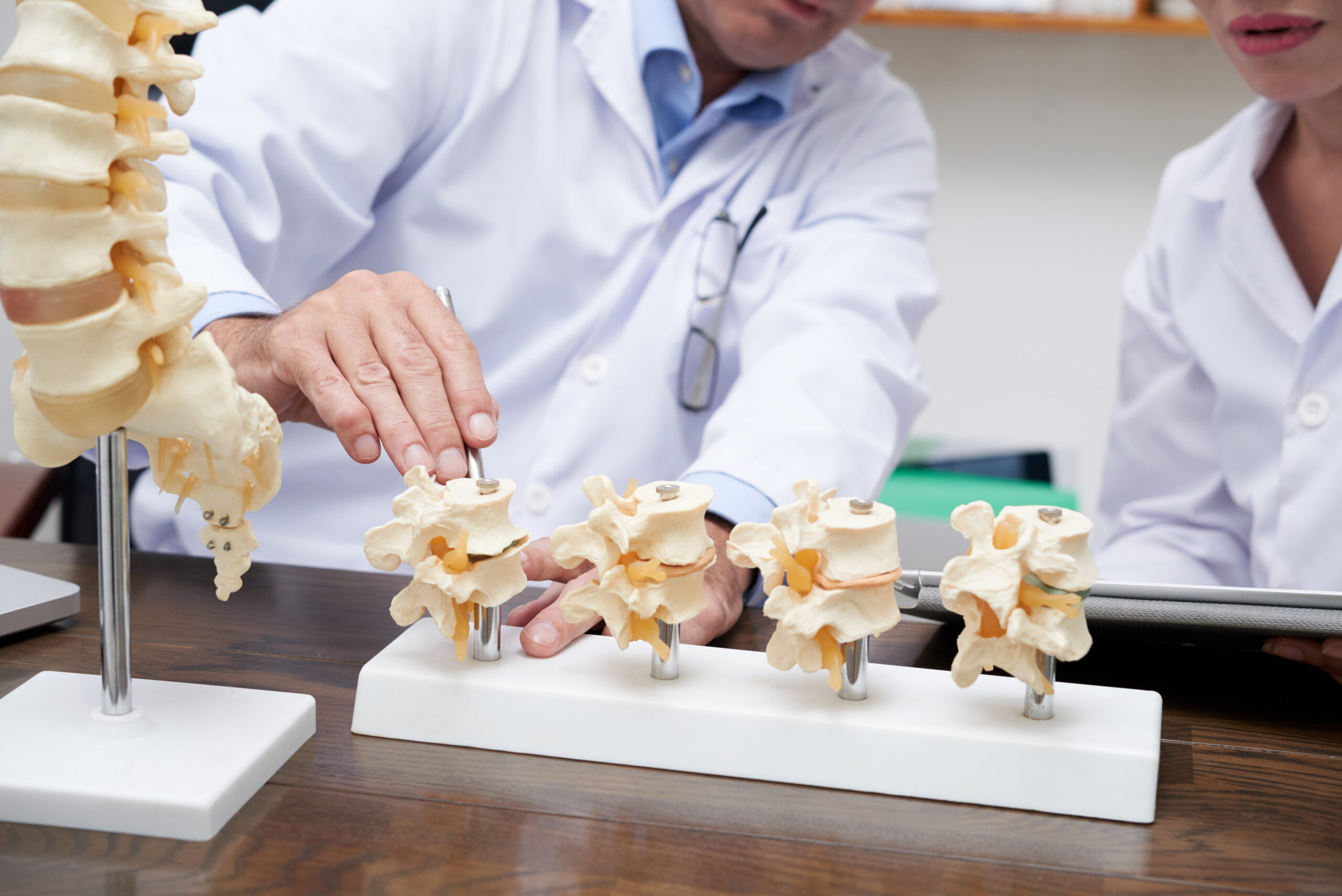
The Risks of Spine Surgery: What to Consider
While determining is spine surgery worth it, knowing the potential risks can provide immense clarity. Understanding these risks is essential to determining is spine surgery worth it for you.
1. Surgical Risks and Complications
Like any surgery, spine surgery carries inherent risks. These include:
- Infection: While rare, infections can occur after surgery, potentially leading to complications.
- Nerve damage: In some cases, surgery can inadvertently damage surrounding nerves, leading to numbness, weakness, or pain.
- Blood clots: Surgical procedures can increase the risk of blood clots, which may require further treatment.
- Anesthesia risks: Reactions to anesthesia are rare but can occur, especially in patients with underlying health conditions.
2. Recovery Time and Rehabilitation
Recovery after spine surgery can take time, and many patients require physical therapy to regain strength and mobility. Depending on the procedure, recovery can take anywhere from a few weeks to several months. It’s important to be prepared for the rehabilitation process and the potential challenges associated with post-surgery recovery.
3. Possibility of Surgery Not Being Effective
Although surgery can be highly effective for many patients, it is not always a guaranteed solution. In some cases, the surgery may not provide the expected results, and patients may continue to experience pain or other symptoms after the procedure. It’s important to have realistic expectations and understand that surgery is not a guaranteed “cure” for every spinal condition. Surgical outcomes can vary depending on the severity of the condition, particularly in cases involving spinal cord compression, where delayed treatment may impact results.
How to Mitigate the Risks of Spine Surgery
While spine surgery can offer significant benefits, it’s important to be aware of the potential risks involved. However, there are several steps you can take to minimize these risks and ensure a smoother surgical experience:
- Choose an Experienced Surgeon: The expertise of your spine surgeon plays a critical role in minimizing surgical risks. Make sure your surgeon is board-certified and has extensive experience performing the specific type of surgery you need. A skilled surgeon is less likely to encounter complications and will be better equipped to manage any challenges that arise during the procedure.
- Pre-Surgery Preparation: Proper preparation before surgery can help reduce the risk of complications. This includes following pre-surgical instructions carefully, such as fasting before surgery, quitting smoking, and managing any chronic health conditions (e.g., diabetes, high blood pressure). A healthy body is better equipped to handle surgery and heal effectively afterward.
- Post-Surgery Rehabilitation: Recovery is just as important as the surgery itself. Following your surgeon’s post-operative instructions and engaging in physical therapy as recommended will help strengthen your spine and minimize the risk of complications such as infections or blood clots. Staying active (within your surgeon’s guidelines) and taking steps to improve your overall health can also reduce the likelihood of future issues.
- Minimize Risk Factors: Certain lifestyle choices, such as smoking, obesity, or poor nutrition, can increase surgical risks. Quitting smoking, maintaining a healthy weight, and eating a balanced diet will not only reduce the risk of complications but also support your recovery and overall spinal health.
- Ask Questions and Stay Informed: Don’t hesitate to discuss all potential risks and ask your surgeon about strategies to reduce them. Understanding the specific risks associated with your surgery and the preventive measures your surgeon will take can help you feel more confident and prepared going into the procedure.
By taking these precautions, you can significantly reduce the likelihood of complications and improve the chances of a successful outcome after spine surgery.
When to Seek a Second Opinion on Spine Surgery
If you’re unsure whether spine surgery is worth it, seeking a second opinion can provide clarity. Consulting with another expert spine surgeon can help you explore all of your options, including alternative treatments or non-surgical approaches. A second opinion can also help confirm whether surgery is the best course of action for your specific condition.
At SoCal Spine, we are committed to helping patients make informed decisions about their spinal health. Our team of expert surgeons provides thorough consultations and second opinions to ensure that you have all the information you need to make the best choice for your health. Second opinions can help you answer the question that is spine surgery worth it?
Final Thoughts: Is Spine Surgery Worth It for You?
Ultimately, the decision of is spine surgery worth it, depends on your individual condition, symptoms, and overall health. For some, surgery can provide life-changing relief, while for others, conservative treatments may be more appropriate. By carefully considering the benefits, risks, and long-term outcomes, you can make an informed decision about whether surgery is right for you.
If you are considering spine surgery or need a spinal surgery second opinion, contact SoCal Spine today. Our expert team is here to provide the guidance and care you need to make the best decision for your spinal health.
