
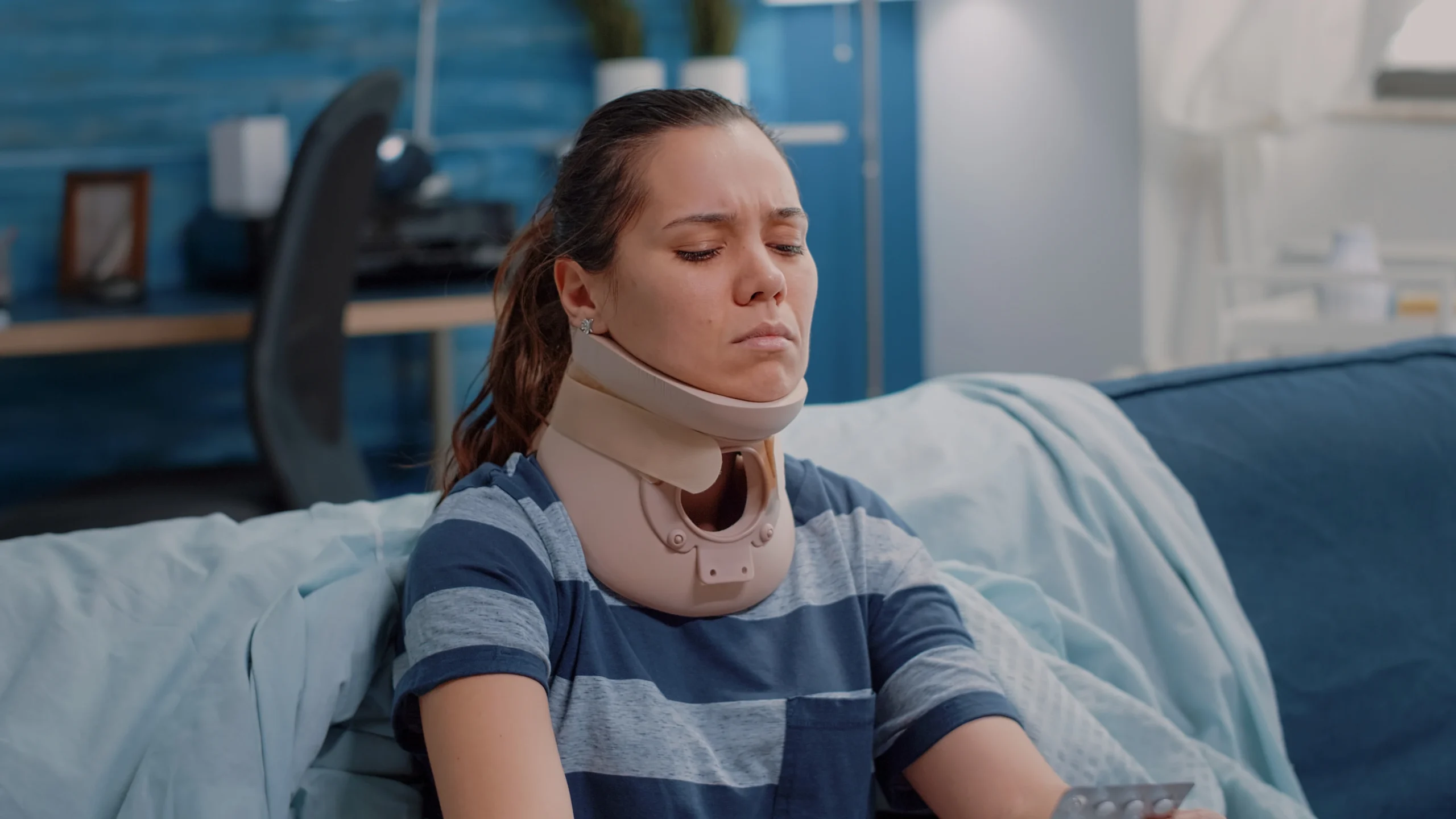
Understanding Cervical Spine Surgery Neck: Expert Care from the Best Spine Surgeon in Los Angeles
Cervical spine surgery neck procedures address serious conditions affecting the delicate vertebrae, discs, and nerves in your neck. When conservative treatments fail to provide relief from chronic neck pain, arm numbness, or neurological symptoms, cervical spine surgery neck may become necessary. At Southern California Brain and Spine Surgery, Dr. Moksha Ranasinghe, recognized as one of the best spine surgeons in Los Angeles, provides expert surgical care using both traditional and minimally invasive techniques.
This comprehensive guide explains everything you need to know about cervical spine surgery neck, including when it’s necessary, types of procedures, recovery expectations, and how to choose the best spine surgeon in Los Angeles for your care.
What Is Cervical Spine Surgery Neck?
Cervical spine surgery neck refers to surgical procedures performed on the seven vertebrae (C1-C7) that make up your neck. These vertebrae extend from the base of your skull to your upper back, supporting your head while allowing extensive range of motion. The cervical spine is a remarkably complex structure that must balance stability with flexibility, making it vulnerable to injury and degenerative changes over time.
Cervical spine surgery neck aims to relieve pressure on compressed nerves, stabilize damaged vertebrae, correct spinal deformities, or decompress the spinal cord itself. As one of the best spine surgeons in Los Angeles, Dr. Ranasinghe emphasizes that surgery is recommended only when conservative treatments have failed or when progressive neurological symptoms require urgent intervention.
If you’ve been advised to have cervical spine surgery neck and want confirmation that it’s the right approach, Dr. Ranasinghe offers virtual second opinion services. Many patients find value in having an experienced specialist review their diagnosis, imaging, and treatment recommendations before proceeding with surgery.

When Is Cervical Spine Surgery Neck Necessary?
Not all neck problems require surgery. The best spine surgeons in Los Angeles exhaust appropriate conservative treatments-physical therapy, medications, injections-before recommending cervical spine surgery neck. However, certain conditions and symptoms indicate surgery may be necessary.
Cervical radiculopathy, commonly known as a pinched nerve, occurs when a herniated disc or bone spur compresses a nerve root in your neck. This produces arm pain, numbness, tingling, or weakness following a specific nerve pattern. If these symptoms persist for 8-12 weeks despite conservative treatment, cervical spine surgery neck may be recommended to decompress the affected nerve.
Cervical myelopathy represents compression of the spinal cord itself and produces more serious symptoms including hand clumsiness, difficulty with fine motor tasks like buttoning shirts, balance problems, gait disturbance, and in severe cases, bowel or bladder dysfunction. Cervical myelopathy often requires prompt surgical intervention to prevent permanent spinal cord damage that cannot be reversed even with successful surgery.
Herniated discs occur when the gel-like center of a cervical disc pushes through its outer layer, compressing nearby nerves or the spinal cord. While many herniated discs heal with conservative treatment, those causing severe or progressive symptoms may require cervical spine surgery neck to remove the herniated portion and relieve pressure.
Spinal stenosis involves age-related narrowing of the spinal canal from bone spurs, thickened ligaments, or bulging discs that compress neural structures. Severe stenosis typically requires surgical decompression, particularly when it affects the spinal cord and causes myelopathy.
Degenerative disc disease affecting the cervical spine can cause chronic neck pain, instability, and nerve compression. Advanced degeneration that doesn’t respond to conservative care may require surgical stabilization through cervical spine surgery neck.
Cervical fractures or trauma from motor vehicle accidents, falls, or sports injuries may require emergency cervical spine surgery neck to stabilize fractures and prevent spinal cord injury. The best spine surgeons in Los Angeles have experience managing these complex traumatic cases.
Types of Cervical Spine Surgery Neck Procedures
The best spine surgeons in Los Angeles offer various surgical approaches tailored to each patient’s specific condition. Dr. Ranasinghe’s expertise encompasses the full range of cervical spine surgery neck procedures, ensuring patients receive the most appropriate treatment for their diagnosis.
Anterior Cervical Discectomy and Fusion (ACDF)
ACDF is the most common cervical spine surgery neck procedure. The surgeon accesses the spine through a small horizontal incision at the front of the neck, removes the damaged disc and any bone spurs compressing nerves, then fuses adjacent vertebrae using a bone graft or spacer held in place with a titanium plate and screws. This approach provides direct access to herniated discs and bone spurs, offers excellent success rates for pain relief, requires relatively short recovery compared to posterior approaches, and leaves a small incision with minimal scarring. Most patients return to light activities within 6-8 weeks, with complete fusion occurring over 3-6 months.
Cervical Disc Replacement (Arthroplasty)
Rather than fusing vertebrae, cervical disc replacement preserves motion by inserting an artificial disc. The best spine surgeons in Los Angeles offer this option for appropriate candidates with single-level disc degeneration and no significant facet arthritis. This procedure maintains neck mobility, may reduce risk of adjacent segment degeneration, often allows faster return to activities than fusion, and preserves natural range of motion. Recovery is similar to ACDF, typically 4-6 weeks for return to normal activities.
Posterior Cervical Laminectomy
This cervical spine surgery neck approach removes part of the lamina (roof of the spinal canal) from the back of the neck to create more space for the spinal cord. It’s typically used for multilevel stenosis or when compression occurs primarily from behind the spinal cord. Laminectomy provides excellent results for multilevel compression, offers direct decompression of the spinal cord, and can treat stenosis at multiple levels simultaneously. Recovery usually requires 2-3 months with temporary neck brace usage.
Additional procedures include cervical laminoplasty, which creates a hinged door in the lamina to expand the spinal canal without removing bone entirely, preserving some neck motion. Posterior cervical fusion employs rods and screws to connect vertebrae when stabilization is needed from behind, often combined with laminectomy for decompression. For severe compression, anterior cervical corpectomy and fusion removes entire vertebral bodies along with adjacent discs, then reconstructs the spine with a large graft or cage and plate fixation. The best spine surgeons in Los Angeles select the appropriate procedure based on each patient’s anatomy, pathology, and functional goals.
Recovery from Cervical Spine Surgery Neck
Recovery timelines vary based on the specific procedure, number of levels involved, and individual healing factors. The best spine surgeons in Los Angeles provide detailed recovery protocols tailored to each patient:
Immediate Post-Operative Period (Days 1-7)
- Hospital stay: 1-2 days for most procedures (some same-day discharge for ACDF)
- Pain management with prescribed medications
- Cervical collar worn continuously if fusion performed
- Limited neck movement
- Short walks encouraged
- Soft diet initially due to throat soreness
Early Recovery (Weeks 2-6)
- Gradual reduction of pain medications
- Continued collar use for fusion patients
- Physical therapy typically begins around week 4-6
- Lifting restrictions (5-10 pounds maximum)
- Many office workers return to desk jobs
- Driving restricted until cleared by surgeon
Mid Recovery (Weeks 6-12)
- Cervical collar discontinued (timing varies by procedure)
- Progressive strengthening exercises
- Increased activity levels
- Lifting restrictions gradually increase
- Most patients resume normal daily activities
Long-Term Recovery (Months 3-6)
- Fusion becomes solid on imaging
- Full range of motion achieved (within surgical limits)
- Return to physical work and sports
- Continued strengthening and maintenance
Dr. Ranasinghe, recognized as one of the best spine surgeons in Los Angeles, closely monitors each patient’s recovery, adjusting restrictions and advancing activities based on individual healing progress and fusion status.
Choosing the Best Spine Surgeon in Los Angeles
The success of cervical spine surgery neck depends heavily on surgeon expertise. When selecting the best spine surgeon in Los Angeles, several critical factors should guide your decision.
Board certification and specialized training form the foundation of surgical excellence. Verify board certification by the American Board of Neurological Surgery or American Board of Orthopaedic Surgery, and look for fellowship training specifically in complex spine surgery. Dr. Ranasinghe is board-certified by ABNS with fellowship training in complex spine surgery and peripheral nerve procedures.
Experience with cervical procedures matters enormously. Ask how many cervical spine surgery neck procedures the surgeon performs annually and their complication rates. High-volume surgeons who focus on spine surgery typically achieve better outcomes than general surgeons who perform spine procedures occasionally.
Hospital affiliations indicate quality and access to resources. The best spine surgeons in Los Angeles maintain privileges at top-tier hospitals with advanced spine programs, experienced surgical teams, and state-of-the-art technology. Dr. Ranasinghe operates at Good Samaritan Hospital and Hollywood Presbyterian Medical Center, both recognized for spine surgery excellence.
A conservative-first philosophy protects patients from unnecessary procedures. Trustworthy surgeons exhaust appropriate non-surgical options before recommending cervical spine surgery neck. Dr. Ranasinghe’s approach prioritizes conservative treatment whenever clinically appropriate, ensuring surgery is truly necessary before proceeding.
Comprehensive evaluation separates excellent surgeons from average ones. The best spine surgeons in Los Angeles evaluate your complete clinical picture, correlating MRI findings with symptoms and performing thorough neurological examinations rather than making decisions based solely on imaging.
Clear communication throughout the treatment journey ensures informed decision-making. Your surgeon should explain your diagnosis in understandable terms, show you what’s wrong on imaging studies, discuss all treatment options with realistic expectations, and answer questions thoroughly and patiently.
Why Dr. Ranasinghe Is Among the Best Spine Surgeons in Los Angeles
Patients throughout Southern California choose Dr. Moksha Ranasinghe for cervical spine surgery neck because she exemplifies surgical excellence combined with compassionate patient care.
Her exceptional credentials include board certification by the American Board of Neurological Surgery, fellowship training in complex spine surgery, over 20 years of specialized spine surgery experience, and active membership in the American Association of Neurological Surgeons (AANS), Congress of Neurological Surgeons (CNS), and North American Spine Society (NASS).
Dr. Ranasinghe’s advanced surgical expertise encompasses the full spectrum of cervical spine surgery neck procedures from simple single-level ACDF to complex multi-level corpectomy and fusion. She maintains proficiency in both traditional and minimally invasive techniques, has extensive experience with revision surgery when prior procedures fail, and utilizes the latest technology and evidence-based approaches to achieve optimal outcomes.
Her track record speaks to outstanding patient outcomes including excellent surgical success rates, low complication rates compared to national averages, high patient satisfaction scores, and proven results over two decades of practice. These outcomes reflect not just technical skill but comprehensive care throughout the entire treatment journey.
Dr. Ranasinghe’s patient-centered approach prioritizes thorough pre-operative evaluation and counseling, conservative treatment first whenever appropriate, clear communication at every stage, comprehensive post-operative care and monitoring, and accessibility for questions and concerns during recovery. Patients consistently report feeling heard, understood, and confident in their treatment plans.
Risks and Complications of Cervical Spine Surgery Neck
While cervical spine surgery neck is generally safe when performed by the best spine surgeons in Los Angeles, patients should understand potential risks. Infection occurs in less than 1% of cases. Bleeding or hematoma formation is rare. Nerve damage causing weakness or numbness can occur but is uncommon with experienced surgeons. Spinal cord injury represents the most serious risk but occurs in less than 0.5% of procedures. Difficulty swallowing and hoarseness from vocal cord irritation are usually temporary, resolving within weeks to months. Non-union of fusion, adjacent segment degeneration, hardware failure, and persistent pain despite surgery represent longer-term potential complications.
Dr. Ranasinghe minimizes these risks through meticulous surgical technique, appropriate patient selection, comprehensive pre-operative planning, use of intraoperative monitoring when indicated, and careful post-operative management. Her low complication rates reflect decades of experience and unwavering commitment to patient safety.
Frequently Asked Questions About Cervical Spine Surgery Neck
How do I know if I need cervical spine surgery neck? Surgery is typically necessary when conservative treatment fails after 8-12 weeks, neurological symptoms progress despite treatment, severe spinal cord compression develops, or quality of life is significantly impacted by persistent symptoms.
Will I lose neck mobility after cervical spine surgery neck? Fusion procedures limit motion at operated segments, but most patients retain adequate overall neck mobility. The brain naturally compensates by increasing motion at adjacent levels. Disc replacement and laminoplasty preserve more motion than fusion.
How long does cervical spine surgery neck take? Simple procedures like single-level ACDF take 1-2 hours. More complex operations requiring multiple levels or corpectomy may take 3-4 hours. Your surgeon will provide specific timing based on your planned procedure.
When can I return to work after cervical spine surgery neck? Office workers often return within 4-6 weeks for desk work. Physically demanding jobs may require 8-12 weeks or longer depending on the procedure performed and your specific job requirements.
Will I need to wear a neck brace after surgery? Fusion patients typically wear a cervical collar for 4-6 weeks to protect healing bone grafts. Disc replacement and some decompression-only procedures may not require bracing.
What if cervical spine surgery neck doesn’t help? The best spine surgeons in Los Angeles achieve high success rates, but occasionally additional treatment is needed. Dr. Ranasinghe has extensive experience with revision surgery and alternative treatments when initial procedures don’t provide expected relief.
How do I find the best spine surgeon in Los Angeles for my cervical surgery? Look for board certification, fellowship training in spine, high-volume experience with your specific procedure, excellent patient outcomes, hospital affiliations at top centers, and a conservative-first philosophy that ensures surgery is truly necessary.
Is minimally invasive cervical spine surgery neck available? Yes, many procedures can be performed using minimally invasive techniques when appropriate. Dr. Ranasinghe offers minimally invasive options that provide less tissue disruption and potentially faster recovery than traditional open surgery.

Schedule Your Consultation
If you’re experiencing neck pain, arm symptoms, or have been told you need cervical spine surgery neck, schedule a consultation with Dr. Moksha Ranasinghe at Southern California Brain and Spine Surgery. As one of the best spine surgeons in Los Angeles, Dr. Ranasinghe provides expert evaluation, comprehensive treatment options, and exceptional surgical care.
Call (213) 369-4583 Monday through Friday, 9am to 5pm, or visit socalbrainspine.com to request an appointment.Offices conveniently located in Los Angeles and Montebello serve patients throughout Southern California. Virtual second opinion consultations are also available for patients who cannot visit in person or want expert review of existing surgical recommendations.
- Tags:
- neck pain
- spine diagnosis
