

Expert Care for Brachial Plexus Injuries in Los Angeles
A brachial plexus injury can significantly impact your arm’s movement and functionality, affecting daily activities. Whether the injury was caused by trauma, birth complications, or other factors, exercises are an essential component of recovery. Brachial plexus injury exercises can help restore strength, improve flexibility, and promote nerve healing, but only if done correctly and consistently. In this blog, we’ll cover the basics of brachial plexus injuries, the types of exercises that aid recovery, and why physical therapy and specialized care are key to your recovery process.
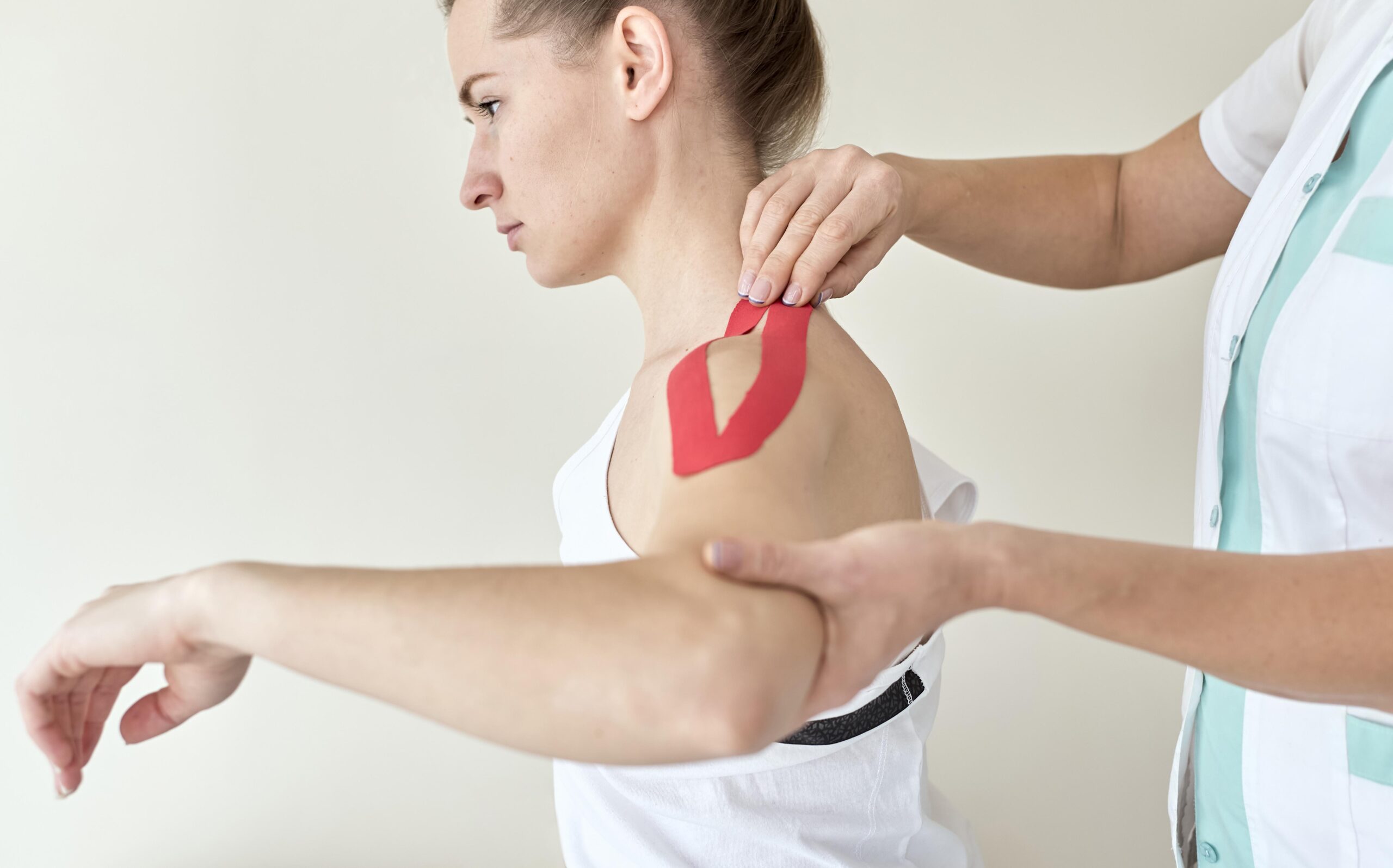
What Is a Brachial Plexus Injury?
The brachial plexus is a network of nerves located at the base of the neck. These nerves control the movement and sensation of the shoulder, arm, and hand. When these nerves are damaged due to trauma or injury, it can lead to:
- Weakness or paralysis of the arm
- Loss of sensation or numbness
- Difficulty with mobility or daily tasks
In the most severe cases, the injury can cause permanent disability. A brachial plexus injury is often caused by trauma such as motor vehicle accidents, sports injuries, or birth trauma (in cases of Erb’s palsy). Depending on the extent of the damage, treatment may include physical therapy, pain management, and in some cases, surgery.
Brachial plexus injury exercises are vital in the rehabilitation process. These exercises help maintain muscle strength, prevent atrophy, and improve the overall range of motion in the arm and shoulder. In conjunction with medical treatments and guidance, exercises can make a big difference in the recovery process.
The Importance of Brachial Plexus Injury Exercises
After a brachial plexus injury, the body needs time to heal, and this healing process often involves rehabilitative exercises to restore strength, flexibility, and functionality. Here are some key reasons why brachial plexus injury exercises are essential for a full recovery:
1. Restoring Muscle Strength
A brachial plexus injury can cause muscle weakness or even paralysis in the arm and hand. Strengthening exercises are vital to rebuild muscle mass and restore motor function. Targeted exercises focus on improving strength in the shoulder, arm, wrist, and hand, all of which may be affected by the injury.
2. Enhancing Flexibility and Range of Motion
Injury to the brachial plexus can cause stiffness, making it difficult to move the affected arm or hand. Stretching and mobility exercises are crucial to restoring flexibility and range of motion, helping patients move their arms freely and perform daily tasks with ease.
3. Reducing Pain and Discomfort
Regular movement and stretching reduce the pain and stiffness that often accompany brachial plexus injuries. Exercise can promote blood flow, reduce inflammation, and alleviate pressure on nerves, improving comfort and overall recovery.
4. Preventing Muscle Atrophy
When muscles are not used for a long period, they begin to shrink and weaken (atrophy). Brachial plexus injury exercises help prevent muscle atrophy by maintaining movement in the affected area, ensuring that muscles remain active and ready for recovery.
5. Promoting Nerve Healing
For patients with nerve damage, proper exercise can facilitate the healing process by promoting the regeneration of nerve cells. Nerve healing is a slow process, but exercises designed to stimulate the nerve pathways can help optimize the results.
Types of Brachial Plexus Injury Exercises
The rehabilitation process for a brachial plexus injury involves different stages, depending on the severity of the injury. The following exercises are commonly recommended during the recovery process:
1. Neck Tilts and Turns
Target Area: Neck and upper back muscles
Purpose: To improve neck mobility and reduce stiffness.
How to Perform:
- Sit or stand with your back straight.
- Slowly tilt your head toward one shoulder, hold for 10 seconds, and return to the neutral position.
- Then, slowly turn your head to one side, hold for 10 seconds, and return to the center.
- Repeat this 10 times on each side.
These exercises help to improve the flexibility of the neck, which can be particularly useful for those recovering from a brachial plexus injury involving the cervical spine region.
2. Shoulder Shrugs
Target Area: Shoulders and upper back
Purpose: To strengthen the shoulder muscles and improve flexibility.
How to Perform:
- Sit or stand with your back straight.
- Slowly raise both shoulders toward your ears, hold for a few seconds, then lower them.
- Repeat 10-15 times for each set.
- Perform 2-3 sets daily.
This simple exercise targets the upper trapezius and deltoid muscles, helping to restore movement and function to the shoulder area affected by the injury.
3. Arm Raises
Target Area: Shoulders, arms, and upper back
Purpose: To strengthen the shoulder muscles and improve overall arm mobility.
How to Perform:
- Stand with your arms at your sides.
- Slowly raise one arm forward and upward as high as you can, hold it for a few seconds, then lower it back down.
- Repeat 10-15 times on each arm.
- You can add light weights or resistance bands as you progress.
Arm raises help target the deltoid, biceps, and triceps, which are often weakened by brachial plexus injuries.
4. Wrist Flexion and Extension
Target Area: Forearm and wrist
Purpose: To improve wrist flexibility and strength.
How to Perform:
- Sit with your forearm resting on a table, palm facing up.
- Gently bend your wrist downward, hold for 5 seconds, then slowly extend it upward.
- Repeat 10-15 times for each wrist.
- For added resistance, use a light weight or resistance band.
Wrist flexion and extension exercises are designed to restore movement in the wrist and forearm, essential for hand function.
5. Finger and Hand Stretching
Target Area: Hands and fingers
Purpose: To improve dexterity and prevent stiffness.
How to Perform:
- Spread your fingers as wide apart as you can, hold for 5 seconds, then relax.
- Make a fist, hold for 5 seconds, and release.
- Repeat this process 10 times for each hand.
This exercise targets the muscles and tendons in the hands and fingers, improving grip strength and coordination.
6. Bicep Curls with Resistance Bands
Target Area: Upper arm
Purpose: To strengthen the biceps and triceps.
How to Perform:
- Attach a resistance band to a secure object.
- Hold the other end of the band with your hand, keeping your elbow bent at a 90-degree angle.
- Slowly curl your hand toward your shoulder, hold for a second, then lower back down.
- Perform 2-3 sets of 10-12 repetitions.
This resistance exercise helps build strength in the arm, making it crucial for regaining mobility and function.
How Long Does It Take to Recover from a Brachial Plexus Injury?
The recovery timeline for brachial plexus injuries varies significantly depending on the severity of the injury. For minor injuries, improvement can often be seen within a few months, especially when proper brachial plexus injury exercises are incorporated. However, more severe injuries, including nerve damage or tears, may require surgery, and the recovery time could extend for several months to years.
- Mild injuries: Often improve within 3–6 months with physical therapy and exercises.
- Moderate injuries: May take 6–12 months, depending on the extent of nerve damage.
- Severe injuries: Could take over a year, especially if surgery or nerve grafting is needed.
Even with surgical intervention, the recovery process requires consistent and tailored rehabilitation exercises to help restore movement and strength.
Why Physical Therapy and Expert Care Are Essential
Physical therapy plays a pivotal role in treating brachial plexus injuries. A physical therapist can design a personalized rehabilitation plan that includes brachial plexus injury exercises, strengthening activities, and stretching routines.

Why Choose Expert Care for Brachial Plexus Injury Rehabilitation?
If you’re recovering from a brachial plexus injury, it’s important to seek specialized care from a top spine surgeon or neurosurgeon. Dr. Moksha Ranasinghe, a board-certified spine surgeon in Los Angeles, offers expert care for brachial plexus injuries, with a focus on advanced surgical techniques and minimally invasive spine surgery.
Dr. Ranasinghe’s approach to brachial plexus injury treatment combines:
- Comprehensive diagnostics using state-of-the-art imaging technology like MRI and CT scans.
- Minimally invasive surgery that reduces recovery times and minimizes discomfort.
- Personalized physical therapy tailored to the patient’s specific injury and recovery goals.
Conclusion
Recovering from a brachial plexus injury requires patience, consistency, and the right exercises. By focusing on strengthening, stretching, and improving mobility, you can significantly enhance your chances of a full recovery. Whether your injury is mild or severe, working with an experienced healthcare provider such as Dr. Moksha Ranasinghe will ensure that you have the right treatment plan in place.
Remember, brachial plexus injury exercises are a key part of rehabilitation, helping restore function and improve the overall quality of life. Stay consistent with your exercises, seek professional guidance when necessary, and be patient during your recovery process. With time and effort, you’ll be on your way to a full recovery.
