
If you’re facing cervical spine surgery at the C5-C6-C7 levels, you likely have questions about recovery time, what to expect during healing, and how your surgical scar will look and feel. At Southern California Brain and Spine Surgery, Dr. Moksha Ranasinghe, recognized as a top spine surgeon in Los Angeles, provides patients with realistic expectations and expert guidance throughout the entire recovery journey.
This comprehensive guide covers everything you need to know about recovery time neck surgery C5 C6-C7 scar, from the immediate post-operative period through long-term healing.
What Type of Surgery Are You Having?
The cervical spine consists of seven vertebrae (C1-C7) stacking from the base of your skull to your upper back. The C5, C6, and C7 vertebrae occupy the lower cervical spine and represent some of the most mobile segments of your entire spinal column. When these levels develop problems such as herniated discs, bone spurs, or spinal stenosis compressing nerves or the spinal cord, surgery may become necessary.
As a top spine surgeon in Los Angeles, Dr. Ranasinghe commonly performs several types of cervical spine procedures at these levels:
Anterior Cervical Discectomy and Fusion (ACDF) The most common approach, ACDF involves removing damaged discs through a small incision at the front of the neck, then fusing adjacent vertebrae using bone grafts and metal plates. This procedure relieves nerve pressure while stabilizing the spine.
Cervical Disc Replacement An alternative to fusion, disc replacement preserves motion by inserting an artificial disc rather than fusing vertebrae together. This may reduce stress on adjacent levels and provide faster recovery for appropriate candidates.
Posterior Cervical Procedures Some conditions require approaching from the back of the neck through procedures like laminectomy, foraminotomy, or posterior fusion. These decompress neural structures while maintaining or stabilizing spinal alignment.
Understanding which procedure you’re having significantly impacts your recovery time neck surgery C5 C6-C7 scar expectations, as surgical approach, number of levels involved, and technique all influence healing timelines.
Your Recovery Timeline: What to Expect Week by Week
Recovery from cervical spine surgery progresses through distinct phases. Here’s what patients can expect under the care of a top spine surgeon in Los Angeles:
The First Week After Surgery
The first week focuses on pain management, wound care, and preventing complications. Most patients experience significant neck pain & discomfort, throat soreness from surgical instruments, and difficulty swallowing due to temporary esophageal irritation.
What to Expect:
- Hospital stay of 1-2 days (some patients go home same day)
- Prescription pain medications required
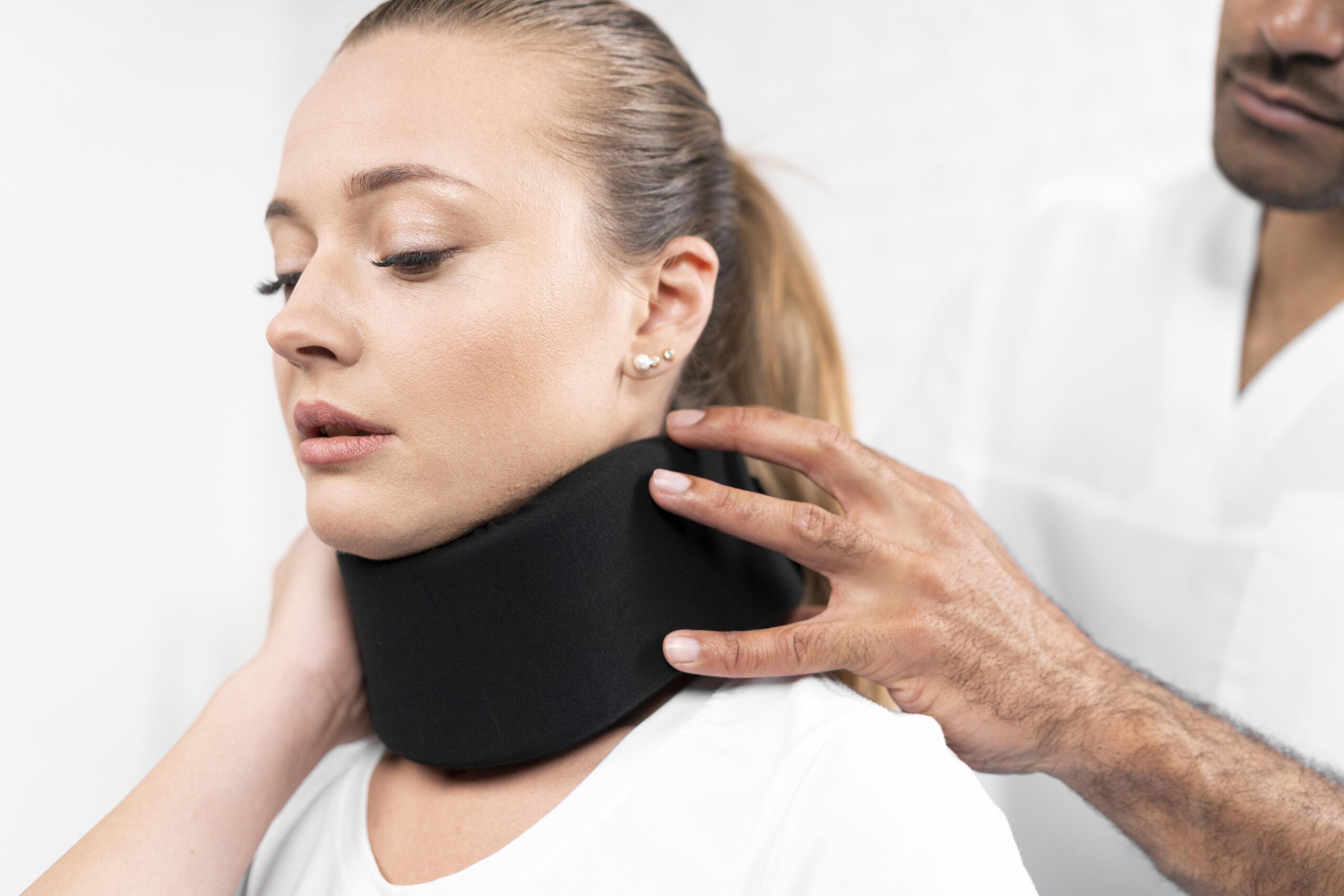
- Cervical collar worn continuously except during showering
- Short walks of 5-10 minutes encouraged multiple times daily
- Soft food diet due to swallowing difficulties
- No lifting, bending, or twisting
The surgical incision at this stage appears red and slightly swollen. A top spine surgeon in Los Angeles uses meticulous closure techniques to minimize scarring, but initial healing produces visible marks that will fade significantly over time.
Weeks 2-4: Getting Through Early Recovery
During weeks two through four, patients typically transition from prescription pain medications to over-the-counter options. Discomfort gradually decreases, though neck stiffness and muscle spasms remain common as the body adjusts to surgical changes.
Recovery Milestones:
- Throat soreness resolves, making eating progressively easier
- Energy levels improve but fatigue remains common
- Cervical collar continues 24/7 for fusion patients
- Walking distance and duration can increase
- Lifting restriction remains at 5-10 pounds maximum
- Many patients discontinue prescription pain medications
The recovery time neck surgery C5 C6-C7 scar during this phase shows progressive healing. The incision line becomes less red and swollen, and any bruising begins fading. Patients should follow wound care instructions precisely to promote optimal healing.
Weeks 5-8: Turning the Corner
The second month marks significant improvements in daily function and comfort. Most fusion patients discontinue cervical collar use during this period, typically around week six, though timing varies based on fusion progress verified through X-rays.
Key Developments:
- Cervical collar discontinued (for most patients)
- Physical therapy begins or intensifies
- Neck muscles require gradual strengthening after collar use
- Lifting restrictions increase to 15-20 pounds
- Many office workers return to full-time schedules
- Driving typically resumes if cleared by surgeon
A top spine surgeon in Los Angeles monitors fusion progress through imaging during this phase, ensuring bones are healing properly before discontinuing the collar. The surgical scar continues maturing, becoming flatter and lighter in color. Gentle scar massage may begin per surgeon recommendation.
Months 3-6: Getting Back to Normal
By month three, most patients have returned to the majority of normal activities, though recovery time neck surgery C5 C6-C7 continues. The fusion process requires 3-6 months for complete bone healing, during which activity restrictions gradually lift.
Recovery Progress:
- Physical therapy focuses on strengthening and endurance
- Lifting restrictions progressively increase
- Most patients resume driving and office work
- Light recreational activities can resume
- Fusion becomes solid on imaging (typically by month 3-4)
- Gradual return to more demanding activities
The recovery time neck surgery C5 C6-C7 scar at this stage shows significant improvement. Most scars have faded substantially, appearing as thin, pale lines. Continued sun protection helps prevent hyperpigmentation and promotes optimal cosmetic outcomes.
Months 6-12: Full Recovery
Complete recovery, including full fusion maturation and maximum functional restoration, typically requires 6-12 months. Patients working physically demanding jobs or participating in contact sports generally wait until this phase for unrestricted return.
Final Recovery Phase:
- Fusion completely solid on imaging
- Full range of motion achieved (within limits of surgery)
- Return to all activities including sports (with surgeon clearance)
- Physical therapy focuses on maintenance and prevention
- Scar reaches final appearance (usually pale, flat, barely noticeable)
A top spine surgeon in Los Angeles emphasizes that individual recovery time neck surgery C5 C6-C7 varies based on factors including age, overall health, number of levels fused, smoking status, and adherence to post-operative instructions.
How Your Surgical Scar Will Heal
The recovery time neck surgery C5 C6-C7 scar appearance and healing process is a common concern for patients. Understanding what to expect helps set realistic goals and guides appropriate scar care.
Where Will Your Scar Be?
For anterior cervical procedures (ACDF, disc replacement), the incision is typically made horizontally along a natural skin crease at the front of the neck, usually 2-4 inches in length depending on how many levels are operated. A top spine surgeon in Los Angeles strategically places this incision to align with neck creases, making the scar less noticeable once healed.
Posterior cervical procedures produce a vertical incision along the back of the neck, typically in the midline. These scars tend to be longer but are often covered by hair and less visible in daily life.
What Your Scar Will Look Like Over Time
Weeks 1-2: Initial Healing The incision appears red, raised, and may have some bruising. Surgical glue, steri-strips, or sutures hold the wound closed. The area may feel tight and slightly numb due to nerve disruption during surgery.
Weeks 3-6: Early Maturation The wound is closed and healing internally. Redness persists but begins fading. The scar may feel firm or thickened as collagen forms during healing. Some numbness around the incision is normal.
Months 2-6: Active Maturation The scar gradually flattens and fades. Color transitions from red to pink to eventually pale. Gentle massage (once cleared by your surgeon) can help flatten the scar and improve pliability. Sun protection is critical during this phase to prevent darkening.
Months 6-18: Final Appearance The scar reaches its final appearance, usually as a thin, pale line that continues fading over time. Most patients find their neck scars barely noticeable, especially when placed in natural skin creases.
How to Help Your Scar Heal Better
A top spine surgeon in Los Angeles provides specific scar care instructions, but general principles include:
Protect from sun exposure – UV radiation can darken healing scars permanently. Use SPF 30+ sunscreen or cover with clothing for the first year.
Gentle massage – Once cleared by your surgeon (usually 6-8 weeks post-op), gentle circular massage with unscented moisturizer helps flatten and soften scars.
Silicone treatments – Silicone gel sheets or ointments can reduce scar thickness and redness when used consistently for several months.
Avoid tension – Don’t stretch or stress the incision area during healing. This means following lifting restrictions and avoiding excessive neck movements initially.
Stay hydrated and nourished – Proper nutrition supports wound healing. Adequate protein, vitamins C and A, and zinc are particularly important.
Don’t smoke – Smoking dramatically impairs wound healing and increases scar complications. Patients must stop smoking before surgery and throughout recovery.
What Affects Your Recovery Time?
Several factors influence how quickly patients heal and return to normal activities:
Number of Levels Involved Single-level surgery (C5-C6 only) typically heals faster than multi-level procedures (C5-C6-C7). Each additional level increases surgical complexity, fusion demands, and recovery time.
Surgical Approach Anterior approaches generally allow faster return to activities than posterior approaches, which involve more muscle disruption. Disc replacement often allows quicker recovery than fusion since it doesn’t require bone healing.
Patient Age and Health Younger, healthier patients typically heal faster. Medical conditions like diabetes, osteoporosis, or autoimmune diseases can slow healing and increase complication risk.
Smoking Status Smoking significantly impairs bone healing and wound healing. Non-union (fusion failure) rates are substantially higher in smokers, potentially requiring revision surgery. A top spine surgeon in Los Angeles strongly advises smoking cessation before and after surgery.
Adherence to Restrictions Patients who follow activity restrictions, wear collars as directed, and attend physical therapy consistently achieve better outcomes with fewer complications.
Pre-existing Conditions Patients with severe arthritis, previous cervical surgery, or complex spinal deformity may require extended recovery time compared to those with straightforward disc herniations.
Warning Signs: When to Call Your Surgeon
While most patients progress smoothly through recovery, certain warning signs require immediate attention from your top spine surgeon in Los Angeles:
Emergency Symptoms:
- Severe, different pain than before surgery
- New weakness or paralysis in arms or legs
- Loss of bowel or bladder control
- Fever over 101°F or signs of infection
- Excessive wound drainage or separation
- Difficulty breathing or swallowing
- Severe headache (may indicate spinal fluid leak)
Concerning Symptoms:
- Pain that progressively worsens rather than improves
- Increasing numbness or tingling
- Wound redness, warmth, or swelling
- No improvement in original symptoms after appropriate healing time
Dr. Ranasinghe and her team at Southern California Brain and Spine Surgery provide responsive communication throughout your recovery, ensuring concerns are addressed promptly and complications are identified early.
How to Get the Best Results
Successful recovery time neck surgery C5 C6-C7 requires active patient participation:
Follow All Instructions Your surgeon provides specific guidelines tailored to your procedure and individual needs. Following these precisely optimizes healing and prevents complications.
Attend Physical Therapy Physical therapy is essential for regaining strength, flexibility, and function. Consistent attendance and home exercise program adherence produce superior outcomes.
Maintain Healthy Lifestyle Proper nutrition, adequate sleep, stress management, and avoiding smoking and excessive alcohol all support healing.
Be Patient Recovery is a gradual process. Some days you’ll feel better than others. Trust the timeline your top spine surgeon in Los Angeles has outlined.
Communicate Concerns Don’t hesitate to contact your surgeon’s office with questions or concerns. Early intervention prevents minor issues from becoming major problems.

Why Dr. Ranasinghe Is a Top Spine Surgeon in Los Angeles
Dr. Moksha Ranasinghe, MD, FAANS, brings over 20 years of experience in complex cervical spine surgery. Her credentials include:
- Board certification by the American Board of Neurological Surgery
- Fellowship training in complex spine surgery
- Hospital affiliations at Good Samaritan Hospital and Hollywood Presbyterian Medical Center
- Conservative-first treatment philosophy
- Expertise in both fusion and motion-preserving techniques
- Commitment to patient education and realistic expectations
Dr. Ranasinghe emphasizes thorough pre-operative preparation, meticulous surgical technique to minimize scarring, and comprehensive post-operative care to optimize recovery time neck surgery C5 C6-C7 outcomes.
Ready to Schedule Your Consultation?
If you’re experiencing cervical spine problems and wondering whether surgery might be necessary, schedule a consultation with Dr. Ranasinghe at Southern California Brain and Spine Surgery. As a top spine surgeon in Los Angeles, she provides expert evaluation, explores all treatment options, and recommends surgery only when clinically appropriate.
Call (213) 369-4583, Monday through Friday, 9am to 5pm, or visit socalbrainspine.com to request an appointment.
