

Effective Cervical Neck operations Surgery Solutions for Common Spine Conditions
Cervical neck operations surgery is a vital treatment option for individuals suffering from severe spinal conditions in the neck and upper back. The cervical spine, comprising seven vertebrae in the neck region, plays an essential role in supporting the head and facilitating movement. However, when this area is affected by conditions such as neck pain, spinal cord compression, or arthritis, it can severely impact quality of life. In such cases, where non-invasive treatments fail, cervical neck operations surgery becomes a valuable solution to restore functionality and alleviate discomfort.
In this blog, we’ll explore the common conditions treated by cervical neck surgery, the procedures involved, the risks and benefits of surgery, and what you can expect during recovery. We will also discuss alternative treatments such as virtual second opinion spine surgery in the United States and answer frequently asked questions regarding cervical neck surgery. Dr. Moksha Ranasinghe, a renowned spine surgeon in Los Angeles, shares insights on why these surgeries are crucial for certain conditions and what patients can expect in the social and personal recovery journey.
Common Conditions Requiring Cervical Surgery
Cervical neck operations surgery becomes necessary when chronic pain, neurological symptoms, or spinal instability arise due to certain spinal conditions. Non-surgical treatments, including medications and physical therapy, often help in the early stages but fail to resolve the problem in more advanced cases. Here are some common conditions that might require cervical neck surgery:
1. Neck Pain
Neck pain is a prevalent issue that can be triggered by a variety of factors, such as herniated discs, poor posture, degenerative disc disease, or even muscle strain. According to Dr. Moksha Ranasinghe, a highly regarded board-certified spine surgeon with over 20 years of experience, while non-surgical treatments such as physical therapy may offer temporary relief, surgery might be the only option for patients suffering from chronic, debilitating neck pain that affects their day-to-day activities. Common procedures like discectomy or cervical fusion are designed to alleviate nerve pressure and restore spinal alignment, providing much-needed relief from persistent discomfort.
Social impact: Chronic neck pain often interferes with social interactions, limiting a person’s ability to participate in daily activities, work, or enjoy time with family and friends. Surgery can significantly improve social well-being by allowing individuals to resume an active lifestyle.
2. Spinal Cord Compression
Spinal cord compression in the cervical region is a serious condition that occurs when there is pressure on the spinal cord due to herniated discs, bone spurs, or narrowing of the spinal canal (spinal stenosis). This condition can lead to nerve damage, causing symptoms like numbness, tingling, and weakness in the arms or legs. Dr. Moksha Ranasinghe explains that surgical procedures like laminectomy or discectomy are often necessary to relieve the pressure and prevent further damage to the spinal cord. These surgeries can improve function and prevent permanent neurological deficits.
Social impact: Spinal cord compression often affects the patient’s ability to work and engage in social activities, as it may cause physical limitations or impair coordination. Surgery can restore some level of independence, improving the patient’s interaction with their social and work environments.
3. Brachial Plexus Injury
The brachial plexus is a network of nerves that controls movements and sensation in the arms and hands. An injury to this network, typically caused by trauma or pressure from herniated discs in the neck region, can result in pain, weakness, and numbness in the upper extremities. Dr. Moksha Ranasinghe emphasizes that cervical surgery, such as nerve decompression or nerve grafting, can help relieve pressure on the brachial plexus and restore function. This can significantly improve the patient’s quality of life, allowing for better use of their arms and hands.
Social impact: Brachial plexus injuries can disrupt a person’s ability to participate in routine tasks, affecting social interactions, work performance, and self-esteem. With proper surgical intervention, patients often regain a level of functionality, enhancing their independence and social engagement.
4. Spinal Arthritis
Spinal arthritis, or cervical spondylosis, is a degenerative condition that causes wear and tear on the cervical spine, leading to the formation of bone spurs. These bone spurs can compress the nerves or spinal cord, resulting in pain, stiffness, and a loss of mobility. Dr. Moksha Ranasinghe explains that when conservative treatments like physical therapy and medications fail, surgical options like discectomy or cervical fusion can help remove bone spurs and stabilize the spine, relieving pain and improving range of motion.
Social impact: Spinal arthritis can cause chronic discomfort and stiffness, making it difficult for patients to engage in social and recreational activities. Surgery can restore mobility, allowing individuals to participate more fully in social events, family gatherings, and recreational activities.

Overview of Cervical Neck Operations Procedures
Cervical neck operations surgery is designed to treat the conditions mentioned above by relieving pressure on the spinal cord or nerves and improving spinal stability. There are various types of procedures, each tailored to address specific problems in the cervical spine.
1. Discectomy
A discectomy is a minimally invasive procedure in which a damaged or herniated disc is removed to alleviate pressure on the surrounding nerves or spinal cord. Dr. Moksha Ranasinghe points out that this procedure is effective in treating conditions like herniated discs and spinal stenosis, particularly when the disc is causing significant pain or neurological symptoms.
2. Cervical Fusion
Cervical fusion involves permanently joining two or more vertebrae in the neck using bone grafts or metal plates. This procedure is often performed for patients with spinal instability, degenerative disc disease, or fractures. By fusing the vertebrae, this surgery stabilizes the spine and prevents pain caused by abnormal movement between the vertebrae.
3. Laminectomy
A laminectomy is performed to remove part of the vertebra (the lamina) to relieve pressure on the spinal cord or nerves. This is often recommended for conditions like spinal stenosis, where the spinal canal narrows and compresses the spinal cord. By creating more space within the spinal canal, this procedure alleviates pain and restores normal function.
4. Artificial Disc Replacement
In some cases, a disc replacement procedure is performed to replace a damaged cervical disc with an artificial one. This helps preserve spinal movement while relieving pain. Dr. Moksha Ranasinghe explains that this surgery is particularly beneficial for patients with a single level of disc degeneration who wish to maintain as much motion as possible in their neck.
Risks and Benefits of Cervical Neck Operations
Like any surgery, cervical neck operations come with both risks and benefits. Dr. Moksha Ranasinghe stresses that it’s important to fully understand these before proceeding with surgery.
Benefits of Cervical Neck operations Surgery
- Pain Relief: The primary benefit of cervical surgery is relief from chronic neck pain and other symptoms such as numbness, tingling, or weakness caused by nerve compression.
- Restored Mobility: Surgery can improve neck mobility, allowing patients to resume daily activities that were once difficult due to pain or stiffness.
- Prevention of Further Damage: In cases of spinal cord compression or brachial plexus injury, surgery can prevent further neurological damage and improve function.
- Improved Quality of Life: By reducing pain and improving mobility, cervical surgery helps patients return to an active lifestyle, improving their social and work interactions.
Risks of Cervical Neck Surgery
- Infection: As with any surgery, there is a risk of infection, particularly at the incision site or within the spinal cord.
- Nerve Damage: Although rare, there is a possibility of nerve damage during surgery, which could result in temporary or permanent weakness or numbness.
- Blood Clots: Blood clots can form after surgery, especially in the legs. These clots can travel to the lungs, causing serious complications.
- Failed Surgery: In some cases, the surgery may not fully resolve the symptoms, and patients may continue to experience pain or other symptoms.
Preparing for Cervical Neck Operations Surgery
Proper preparation is essential for a successful recovery. Dr. Moksha Ranasinghe advises that patients should be fully aware of the steps involved in the pre-operative process.
Pre-Operative Assessment
Before surgery, your doctor will perform a thorough evaluation, including imaging tests like MRIs and X-rays, to determine the best course of treatment. Blood tests and a physical exam will also be conducted to ensure that you are healthy enough for surgery.
Stop Smoking
If you smoke, quitting is crucial before surgery. Smoking can interfere with the healing process by restricting blood flow, increasing the risk of complications.
Post-Operative Care Planning
It’s important to have a post-surgery care plan in place. Ensure that you have someone to assist with transportation and daily activities while you recover. Whether you’re considering a virtual second opinion spine surgery in the United States or are already undergoing treatment planning for follow-up appointments and physical therapy is also essential.
What to Expect During the Recovery Process
The recovery process from cervical neck operations surgery can take several weeks to months, depending on the type of surgery and the individual patient. Dr. Moksha Ranasinghe highlights the importance of following post-surgery instructions for optimal recovery.
Pain Management
Pain management is essential during recovery. While some pain and discomfort are normal, your doctor will prescribe medications to help control it. Over-the-counter painkillers, ice packs, and rest can help manage inflammation and swelling.
Physical Therapy
Physical therapy is key to a full recovery. Your therapist will guide you through exercises designed to strengthen the muscles around the neck and improve mobility. This will help you regain your function and reduce the risk of complications.
Conclusion: Making Informed Decisions about Cervical Neck Operations
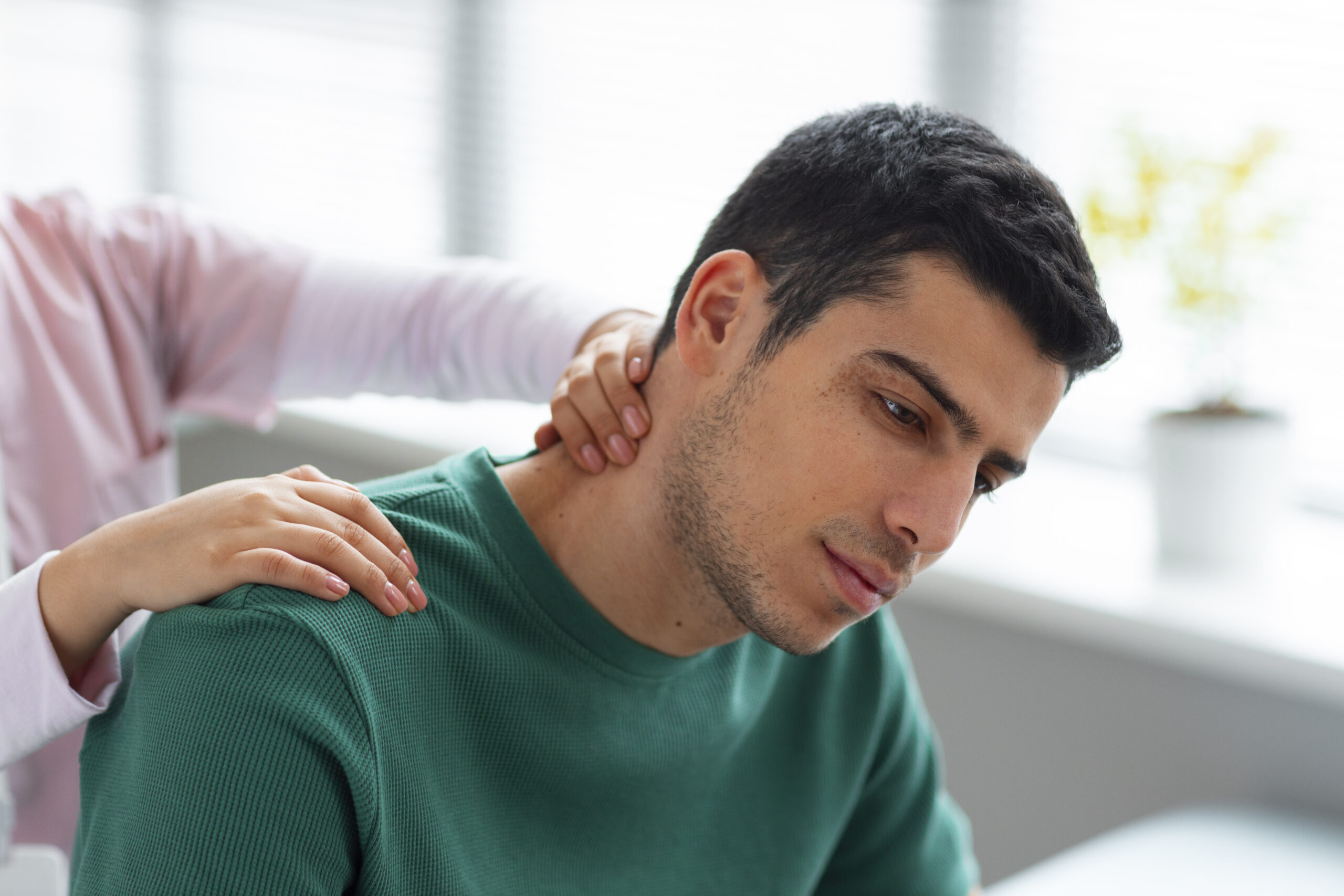
Cervical neck surgery can provide a lasting solution for individuals dealing with chronic pain, spinal cord compression, and other cervical spine conditions. If you are considering surgery, it’s essential to consult with a specialist like Dr. Moksha Ranasinghe, who has over 20 years of experience in minimally invasive spine surgery. With proper care, rehabilitation, and post-surgery guidance, cervical neck operations surgery can help you return to a pain-free life and an active social lifestyle. Whether you’re considering a virtual second opinion spine surgery in the United States or are already undergoing treatment, the right surgery can greatly improve your quality of life and restore spinal health. With the right preparation, recovery plan, and post-operative care, cervical neck surgery can be a life-changing intervention for those in need.
- Tags:
- virtual spine consult
