
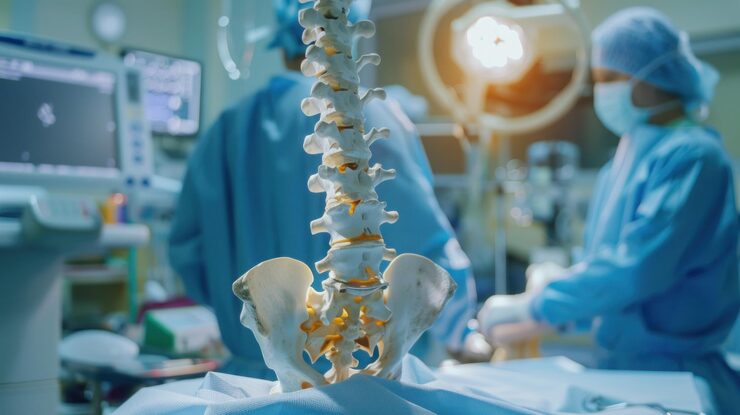
Spinal Surgery Specialists: Expert Second Opinion Services for Spine Conditions
Finding the right spinal surgery specialists can feel overwhelming when facing chronic back pain, nerve compression, or spinal deformities. The decision to pursue spinal surgery is significant, requiring careful consideration and expert guidance from qualified spinal surgery specialists who understand the complexities of spine conditions. If you are considering spinal surgery or have been recommended a procedure, seeking a second opinion from experienced spinal surgery specialists can provide critical insights into your diagnosis, treatment options, and expected outcomes, ensuring you make the most informed decision for your spinal health.
Understanding Spinal Surgery: Types and Procedures
Spinal surgery encompasses a wide variety of procedures aimed at alleviating chronic pain, correcting deformities, improving spinal stability, and restoring overall spinal function. Each type of surgery addresses specific issues within the spine, ranging from minimally invasive techniques to more complex open surgeries. Understanding the nature and purpose of different spinal procedures helps patients make informed decisions when consulting with spinal surgery specialists about their treatment options.Discectomy represents one of the most common procedures performed by spinal surgery specialists. This surgery involves removing a portion of a herniated or bulging disc that is compressing a nerve root or the spinal cord. Patients experiencing significant back pain, neck pain, numbness, weakness, or radiating symptoms that have not improved with conservative treatments may be candidates for discectomy. The procedure can be performed as an open surgery or using minimally invasive techniques.
Laminectomy is another procedure frequently performed by spinal surgery specialists to relieve spinal cord compression. This surgery involves removing part of the vertebra called the lamina to create more space within the spinal canal. Laminectomy is typically recommended for patients with spinal stenosis, where the spinal canal narrows and compresses neural structures. By removing the lamina and any bone spurs or thickened ligaments, spinal surgery specialists can decompress the spinal cord and nerves, alleviating pain and improving function.Spinal fusion is a common procedure where spinal surgery specialists permanently connect two or more vertebrae to eliminate motion between them. This provides stability and reduces pain caused by conditions including degenerative disc disease, spondylolisthesis, spinal fractures, scoliosis, or spinal instability. During fusion, bone graft material is placed between the vertebrae, and hardware such as screws, rods, or plates may be used to hold the spine in proper alignment while fusion occurs.
Artificial disc replacement is an alternative to spinal fusion that some spinal surgery specialists offer for specific conditions. This procedure involves removing a damaged spinal disc and replacing it with a synthetic device designed to maintain motion at the treated level. Unlike fusion which eliminates motion, artificial disc replacement aims to preserve more natural spinal movement.Minimally invasive spinal surgery represents an advancement that many modern spinal surgery specialists have incorporated into their practice. These procedures use smaller incisions, specialized instruments, and advanced imaging guidance to access the spine with less disruption to surrounding tissues. Benefits often include reduced post-operative pain, shorter hospital stays, faster recovery times, and lower infection risks compared to traditional open surgery.
The Importance of Choosing the Right Spinal Surgery Specialists
Selecting the right spinal surgery specialists is critical to ensuring the best possible outcome for your surgery. The complexity and delicate nature of spinal procedures demand surgeons who possess exceptional technical skills and deep understanding of spinal anatomy, biomechanics, and the nuances of various spinal conditions. Skilled spinal surgery specialists can significantly impact the success of the procedure, the speed of recovery, and your overall surgical experience.The expertise level of spinal surgery specialists directly correlates with surgical outcomes. Studies demonstrate that surgeons who perform higher volumes of specific procedures tend to have better outcomes, lower complication rates, and higher patient satisfaction scores. Experienced spinal surgery specialists have refined their surgical techniques through years of practice and developed strategies for managing unexpected challenges during surgery.
The right spinal surgery specialists provide thorough evaluation of your condition before recommending surgery. This includes taking a detailed medical history to understand the onset, duration, and characteristics of your symptoms, previous treatments you have tried, and your functional limitations and goals. A comprehensive physical examination assesses your neurological function, range of motion, and pain patterns.Beyond technical proficiency, the best spinal surgery specialists excel at communication and involve patients in shared decision making. You should feel comfortable asking questions, expressing concerns, and discussing any aspect of your care. Spinal surgery specialists who prioritize patient education and engagement create better experiences and often achieve superior outcomes.
Key Qualifications to Look for in Spinal Surgery Specialists
When searching for spinal surgery specialists, several key qualifications and credentials should be carefully evaluated to ensure your surgeon possesses the necessary training, skills, and experience to provide excellent care.
Board certification represents a fundamental requirement when selecting spinal surgery specialists. Spinal surgery is typically performed by neurosurgeons or orthopedic surgeons who have completed specialized training. Board certification indicates that spinal surgery specialists have completed required residency training programs, passed rigorous examinations demonstrating comprehensive knowledge, and met continuing education requirements to maintain certification.
Fellowship training in spine surgery represents additional specialized training that many qualified spinal surgery specialists complete. Spine fellowships typically last one to two years and provide intensive, focused training in complex spinal procedures, advanced surgical techniques, and management of challenging spinal conditions. Fellowship-trained spinal surgery specialists have dedicated extra time to mastering their craft.
Experience matters significantly in spinal surgery. When evaluating spinal surgery specialists, consider their years in practice and the volume of spinal procedures they perform annually. It is appropriate to ask about their experience with your specific condition and the particular procedure being recommended. Inquire about how many similar surgeries they have performed, their complication rates, and their success rates.
Professional affiliations demonstrate that spinal surgery specialists are committed to maintaining high standards of practice and staying updated with the latest advancements. Relevant organizations include the American Association of Neurological Surgeons, Congress of Neurological Surgeons, North American Spine Society, and American Academy of Orthopaedic Surgeons.
Questions to Ask Spinal Surgery Specialists During Consultation
Your initial consultation with spinal surgery specialists provides an essential opportunity to gather information and assess whether they are the right fit for your needs. Preparing thoughtful questions in advance ensures you cover all relevant aspects of your care and make the most of this meeting.
About Diagnosis and Treatment Options
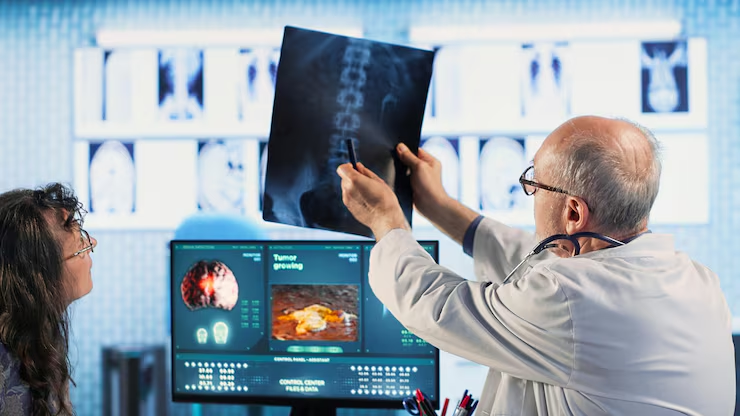
Begin by confirming your diagnosis and understanding the pathology causing your symptoms. Ask spinal surgery specialists to explain what is wrong with your spine in clear, understandable terms. Request to review your imaging studies together so you can see the problem areas. Understanding your diagnosis is fundamental to evaluating whether the proposed treatment makes sense.
Inquire about all available treatment options, not just surgery. Ask whether additional conservative treatments might be beneficial before proceeding with surgery. Understanding why spinal surgery specialists believe surgery is necessary at this time helps you evaluate the appropriateness of the recommendation. Ask what would happen if you delayed surgery or chose not to have surgery at all. This information helps you understand the urgency of your situation and make an informed decision about timing.
About the Proposed Procedure
Request detailed information about the specific surgical procedure being recommended. Ask spinal surgery specialists to explain the steps involved in the surgery, how long the procedure typically takes, what approach will be used, whether it will be open or minimally invasive, what type of anesthesia is required, and what hardware or implants if any will be used.
Understanding the technical aspects of your surgery helps you prepare mentally and allows you to ask follow-up questions about specific concerns. Inquire about the goals of surgery and what symptoms you can realistically expect to improve. Ask about the likelihood of complete pain relief versus partial improvement, as having realistic expectations is crucial for satisfaction with outcomes.
About Experience and Outcomes
Do not hesitate to ask spinal surgery specialists directly about their experience with your specific condition and the proposed procedure. Inquire about how many times they have performed this particular surgery, how frequently they perform it, and how many years they have been doing this procedure. Ask about their complication rates and how they compare to national averages.
Request information about success rates and what defines success for your specific surgery. Some procedures aim to eliminate pain completely, while others target symptom reduction or preventing progression of problems. Understanding what constitutes a successful outcome helps set appropriate expectations. Ask if you can speak with previous patients who have had similar procedures, as patient testimonials provide valuable perspective on the surgeon’s skills and care quality.
About Risks and Recovery
Every surgical procedure carries risks, and understanding potential complications is essential for informed consent. Ask spinal surgery specialists about the most common complications associated with your proposed procedure, the most serious potential complications even if rare, how complications are managed if they occur, and what specific risks you face based on your individual health status.
Inquire comprehensively about the recovery process. Ask about expected hospital stay duration, pain management approaches, activity restrictions during recovery, when you can return to work, when you can resume driving and exercise, what physical therapy will be required, and how long complete recovery typically takes. Understanding the recovery timeline helps you plan appropriately and arrange necessary support.
About Alternatives and Second Opinions
Ask spinal surgery specialists about alternative surgical approaches that might be considered for your condition. Understanding why they recommend their proposed approach over alternatives provides insight into their surgical philosophy and decision-making process. Inquire about motion preservation options if fusion is recommended, or minimally invasive alternatives if open surgery is proposed.
Finally, ask whether the surgeon supports obtaining a second opinion. Reputable spinal surgery specialists welcome second opinions and should never discourage you from seeking additional perspectives. In fact, many surgeons appreciate when patients take the time to ensure they are making fully informed decisions. Expressing your interest in a second opinion and gauging the surgeon’s response can provide valuable insight into their approach to patient care.
The Critical Value of Second Opinions from Spinal Surgery Specialists
Obtaining a second opinion from qualified spinal surgery specialists represents one of the most important steps you can take when considering spinal surgery. Second opinions provide numerous benefits and can significantly impact the course of your treatment, outcomes, and overall experience.A primary benefit of seeking a second opinion from spinal surgery specialists is confirmation of your diagnosis. Spinal conditions can be complex, and imaging findings do not always correlate perfectly with symptoms. Different spinal surgery specialists may interpret the same imaging studies differently based on their experience and perspective. A second opinion ensures that your diagnosis is accurate and that the proposed treatment addresses the actual source of your symptoms.
Second opinions also help confirm whether surgery is truly necessary at this time. While your initial surgeon may recommend immediate surgery, another qualified spinal surgery specialist might suggest additional conservative treatments worth trying first. Alternatively, a second opinion might confirm that you have exhausted reasonable non-surgical options and that surgery is indeed appropriate.Studies have shown that second opinions lead to changes in diagnosis or treatment recommendations in a significant percentage of cases. For spinal conditions specifically, research indicates that second opinions result in different treatment recommendations in approximately 20 to 40 percent of cases. These changes might involve choosing a different surgical approach, pursuing additional conservative treatment, or avoiding unnecessary surgery altogether.
Spine Conditions We Treat: Second Opinion Services
At Southern California Brain & Spine Surgery, we specialize in providing expert second opinions for a comprehensive range of spine conditions. Led by Dr. Moksha Ranasinghe, MD, FAANS, a board-certified neurosurgeon, our practice focuses exclusively on brain and spine care, ensuring you receive specialized expertise for your condition.
Our second opinion services cover the following spine conditions:
Back Pain is one of the most common reasons patients seek evaluation from spinal surgery specialists. Chronic back pain can stem from degenerative disc disease, facet joint arthritis, spinal stenosis, herniated discs, or other spinal pathology. Our second opinion service thoroughly evaluates your back pain to determine its source and whether surgical intervention is appropriate or if additional conservative treatments might provide relief.
Neck Pain affects millions of people and can significantly impact quality of life. Causes include cervical disc herniation, cervical stenosis, cervical spondylosis, or cervical instability. When you have been recommended surgery for neck pain, our second opinion provides comprehensive evaluation to confirm diagnosis and discuss all treatment options including both surgical and non-surgical approaches.
Spinal Cord Compression represents a serious condition requiring expert evaluation. Whether caused by herniated discs, spinal stenosis, tumors, or other pathology, spinal cord compression can lead to myelopathy with progressive weakness, coordination problems, and potentially permanent neurological damage if not addressed appropriately. Our second opinion service carefully reviews imaging to assess the severity of compression and discusses optimal treatment timing and approach.
Spinal Arthritis or facet joint arthritis causes chronic pain and stiffness in the spine. When spinal arthritis leads to significant symptoms or contributes to spinal stenosis, surgical options may be considered. Our second opinion helps determine whether your spinal arthritis requires surgical intervention or if other treatments might be effective.
Spondylosis and Spondylolisthesis are related conditions where vertebrae slip out of normal alignment or degenerate over time. These conditions can cause back pain, leg pain, and neurological symptoms. Treatment options range from conservative management to surgical stabilization. Our second opinion service evaluates the severity of your spondylolisthesis and discusses whether fusion or other surgical approaches are necessary.
Scoliosis involves abnormal curvature of the spine. Adult degenerative scoliosis can cause significant pain and deformity requiring surgical correction in some cases. Pediatric and adolescent scoliosis may require monitoring or intervention depending on curve severity and progression risk. Our second opinion provides expert assessment of your scoliosis and discusses treatment options appropriate for your specific situation.
Foot Pain Due to Spine Problems is often overlooked as having a spinal origin. Nerve compression in the lumbar spine can cause pain, numbness, or weakness radiating to the feet. When foot pain originates from spinal pathology, addressing the spine problem is necessary for symptom resolution. Our second opinion helps identify whether your foot pain stems from spine problems and if so, what treatment approach is most appropriate.
Brachial Plexus Injury involves damage to the nerve network connecting the spine to the shoulder, arm, and hand. These injuries can result from trauma, compression, or other causes and may cause weakness, pain, or loss of function. Complex brachial plexus injuries sometimes require surgical intervention. Our second opinion evaluates the extent of your injury and discusses treatment options including surgical reconstruction when appropriate.
Spinal Arteriovenous Malformation represents an abnormal tangle of blood vessels in or around the spinal cord. These rare vascular malformations can cause progressive neurological deterioration and require specialized expertise for diagnosis and treatment planning. Our second opinion provides expert evaluation of spinal AVMs and discussion of treatment options.
Why Choose Southern California Brain & Spine Surgery for Your Second Opinion
At Southern California Brain & Spine Surgery, we offer an online second opinion service specifically designed to help patients make informed decisions about their spine conditions. Led by Dr. Moksha Ranasinghe, MD, FAANS, our team delivers unmatched expertise and advanced clinical insight in neurosurgical care.Dr. Ranasinghe brings extensive training and experience as a board-certified neurosurgeon specializing in complex brain and spine surgery. His expertise encompasses the full spectrum of spinal conditions, from common degenerative disorders like back pain and neck pain to complex conditions including spinal cord compression, scoliosis, and spinal vascular malformations. Through our online second opinion service, Dr. Ranasinghe thoroughly reviews your medical history, symptoms, and imaging studies to provide comprehensive evaluation and treatment recommendations tailored to your unique situation.
Our second opinion service provides several key benefits. First, we confirm your diagnosis by carefully reviewing all available medical records and imaging to ensure accuracy. Second, we discuss all treatment options including both surgical and non-surgical approaches, helping you understand the full range of possibilities. Third, we provide realistic expectations about outcomes, recovery, and potential risks based on extensive clinical experience. Fourth, we assess whether surgery is truly necessary at this time or if additional conservative treatments might be beneficial.For patients who have been recommended spinal surgery by other providers, our second opinion service offers reassurance that you are on the right path or identifies alternative approaches worth considering. For those uncertain about their diagnosis or treatment plan, we provide clarity and expert guidance. Our mission is to provide exceptional, effective, and minimally invasive treatments to restore your health and improve your quality of life.
By consulting with our experienced spinal surgery specialists, you can reduce the risk of misdiagnosis and unnecessary procedures. We take the time to thoroughly review your case and create a treatment plan aligned with your unique needs and goals. Whether you are exploring options to avoid unnecessary surgery or seeking confirmation of a diagnosis, we provide clear guidance and compassionate support every step of the way.We believe that informed patients make better decisions and achieve better outcomes. Through our online second opinion service, you can access our expertise conveniently from anywhere. We review your case thoroughly and provide detailed written opinions explaining our findings and recommendations. If you have questions after receiving your second opinion, we are available to discuss our assessment and help you move forward with confidence.
Understanding Risks, Benefits, and Realistic Expectations
Every surgical procedure involves balancing potential benefits against risks, and understanding this balance is essential for making informed decisions about spinal surgery. Qualified spinal surgery specialists ensure patients have realistic expectations about what surgery can and cannot achieve.All spinal surgeries carry inherent risks that spinal surgery specialists should discuss thoroughly. Common risks include infection, bleeding, nerve root injury causing new symptoms, spinal cord injury in rare cases, dural tear with spinal fluid leak, blood clots, and adverse reactions to anesthesia. The likelihood of complications varies based on the specific procedure and patient-specific factors. Experienced spinal surgery specialists minimize these risks through meticulous surgical technique and comprehensive perioperative management.
For appropriately selected patients, spinal surgery can provide transformative benefits that dramatically improve quality of life. Common goals include alleviating chronic back pain or neck pain that has not responded to conservative treatment, relieving spinal cord compression or nerve compression to restore function, stabilizing the spine, and enabling return to desired activities.Realistic expectations are crucial for satisfaction with surgical outcomes. While many patients achieve excellent results from spinal surgery, outcomes vary. Some patients experience complete resolution of symptoms, while others achieve significant but not total improvement. Discussing expected outcomes with spinal surgery specialists helps ensure your expectations align with what surgery can realistically achieve for your specific condition.
Post-Surgery Care and Recovery
Understanding the post-operative course helps patients prepare for recovery and ensures adherence to protocols that optimize healing. Spinal surgery specialists provide detailed recovery guidelines tailored to your specific procedure.Immediately after surgery, patients are monitored in a recovery area before transfer to a hospital room. Hospital stay duration varies from same-day discharge for some minimally invasive procedures to several days for more extensive operations. Pain management is a priority, with medications adjusted to achieve comfort. Early mobilization typically begins within hours to days depending on the procedure.
Physical therapy plays a crucial role in recovery from many spinal surgeries. Initially, therapy focuses on gentle range of motion, proper body mechanics, and gradual strengthening. As healing progresses, therapy becomes more intensive with progressive exercises to restore full function. Compliance with physical therapy recommendations significantly impacts outcomes.Return to normal activities occurs gradually over weeks to months depending on the surgical procedure. Spinal surgery specialists provide guidelines for lifting restrictions, when to resume driving, when to return to work, and when to restart exercise. Following these recommendations protects healing structures and prevents complications.
Making Informed Decisions About Your Spine Care
Choosing spinal surgery specialists to guide your care represents a crucial decision that impacts your surgical outcomes, recovery experience, and long-term spinal health. Taking the time to research potential surgeons, verify their qualifications and experience, and evaluate their approach to patient care ensures you receive treatment from qualified experts. Seeking second opinions from experienced spinal surgery specialists is highly recommended when considering spinal surgery. Second opinions confirm diagnoses, reveal alternative treatment options, provide different perspectives on surgical approach, and ultimately give you confidence that you are making the best possible decision. The investment of time in obtaining comprehensive evaluation from qualified spinal surgery specialists pays significant dividends in outcomes and satisfaction.
At Southern California Brain & Spine Surgery, Dr. Moksha Ranasinghe and our team are committed to helping patients navigate complex decisions about spine conditions including back pain, neck pain, spinal cord compression, spinal arthritis, spondylolisthesis, scoliosis, foot pain due to spine problems, brachial plexus injury, and spinal arteriovenous malformations. Through our expert second opinion service, we provide the specialized knowledge, honest assessment, and compassionate guidance you need to move forward with clarity and confidence.Your spine health is too important to leave to chance. Seek second opinions when facing major surgical decisions and ensure you have complete information before proceeding with treatment. By engaging with experienced spinal surgery specialists and taking advantage of our comprehensive second opinion services, you can achieve the relief from pain, restoration of function, and improved quality of life you deserve.
